+86-400-850-4050





Didn't find what you were looking for?
Consult a professional engineer immediately for your service



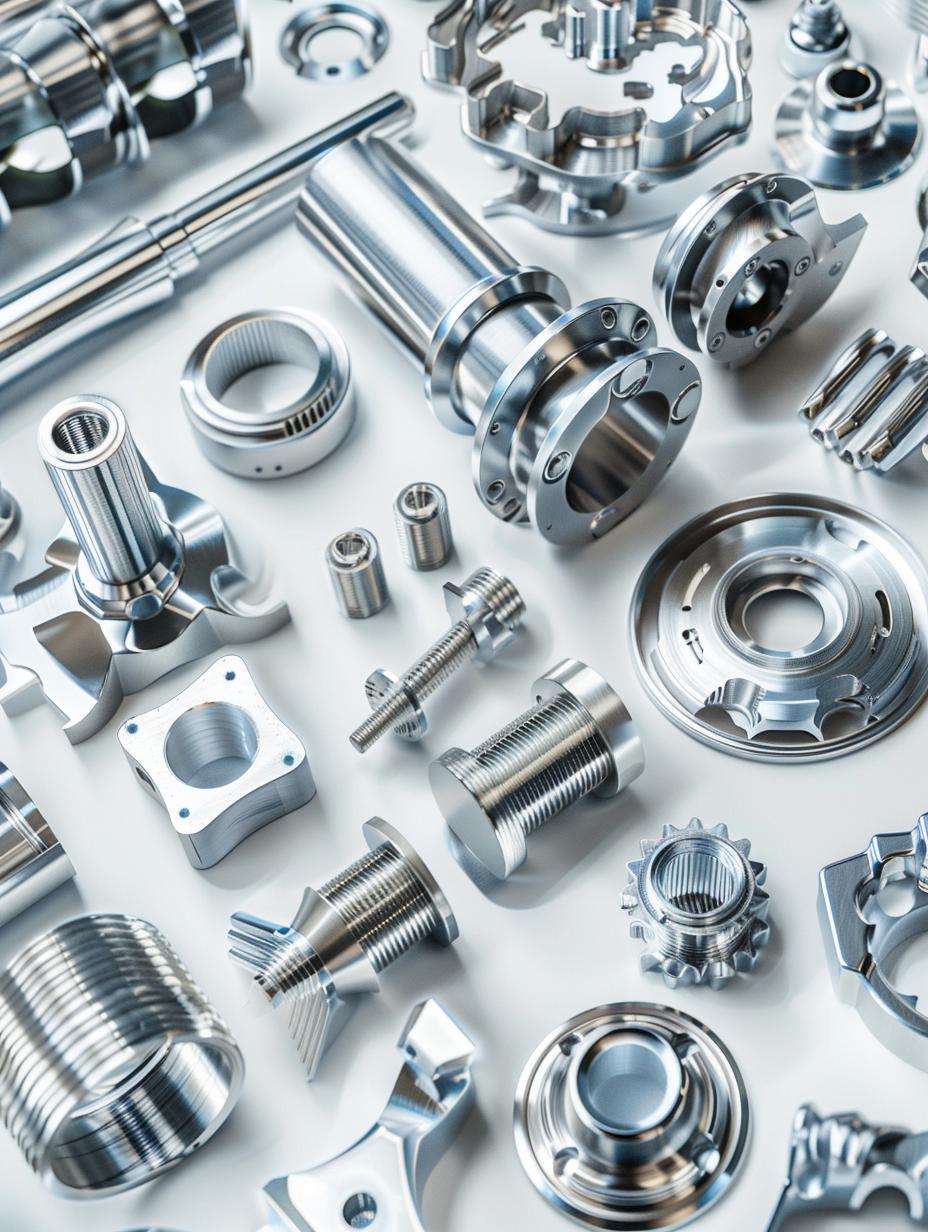



















Non-metallic inclusions in steel can reduce the mechanical properties of steel, especially the plasticity, toughness and fatigue limit. In severe cases, they can also cause cracks in the steel during hot working and heat treatment or sudden brittle fracture during use.

| Test Objective
Non-metallic inclusions in steel can reduce the mechanical properties of steel, especially the plasticity, toughness and fatigue limit. In severe cases, they can also cause cracks in the steel during hot working and heat treatment or sudden brittle fracture during use. Non-metallic inclusions also promote the formation of hot-worked fibrous structures and banded structures in steel, making the material anisotropic. In severe cases, the transverse plasticity is only half of the longitudinal plasticity, and the impact toughness is greatly reduced. Therefore, for steels used in important applications (such as bearing steel, spring steel, etc.), the quantity, shape, size and distribution of non-metallic inclusions need to be inspected.
| Service Products / Fields
Stainless steel, high-speed steel, alloy steel, die steel, etc.
| Testing Procedure
Sampling → Cleaning → Mounting → Grinding → Polishing → Observation
| Testing Standards
GB/T 10561-2005 Determination of content of nonmetallic inclusions in steel - Micrographic method using standard diagrams
ASTM E45-2013 Test methods for determining the inclusion content of steel
| MTT Advantages
1. Professional Team: Equipped with a number of highly experienced testing engineers and technical experts.
2. Advanced Equipment: Equipped with internationally leading testing instruments to ensure accuracy and reliability of results.
3. Efficient Service: Rapidly respond to customer needs and provide one-stop, high-efficiency inspection services.
4. Authoritative Certification: The laboratory is certified by ISO/IEC 17025, ensuring that test reports have international credibility.


Maxin Testing Laboratory
Learn more about our company

Electronic Manufacturing Information Hub
See more exciting case studies
Video Channel
Watch more exciting videos







 Buildings A1, A3, and A5, Peking University Science and Innovation Park, Songbai Road, Bao'an District, ShenzhenBuilding 3, Xinyao Valley, 415 Changyang Street, Suzhou Industrial Park, Suzhou City1st Floor, Building 4, No. 39 Anzhi Street, Suzhou Industrial Park, Suzhou City