+86-400-850-4050





Didn't find what you were looking for?
Consult a professional engineer immediately for your service























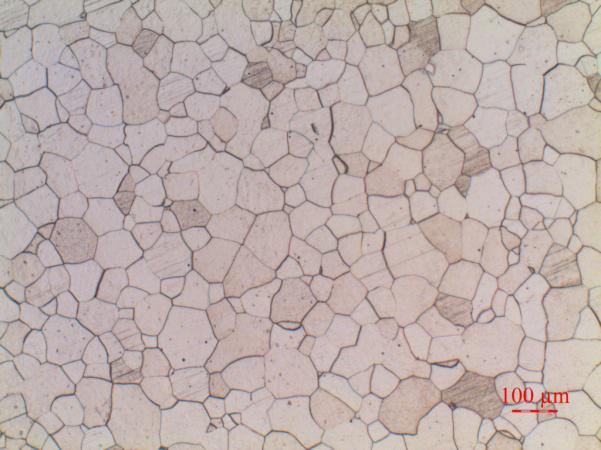
The number of grains per unit area is related to the grain size. The grain size has a decisive influence on the mechanical properties of metals such as tensile strength, toughness, and plasticity. By examining the grain size of a material, its performance can be evaluated.
| Project Overview
The number of grains per unit area is related to the grain size. The grain size has a decisive influence on the mechanical properties of metals such as tensile strength, toughness, and plasticity. By examining the grain size of a material, its performance can be evaluated.
| Testing Standards
GB/T 6394-2002 Metallic materials - Determination of average grain size
ASTM E112-2013 Standard Test Methods for Determining Average Grain Size
YS/T 347-2004 Copper and copper alloys - Determination of average grain size
| Service Products / Fields
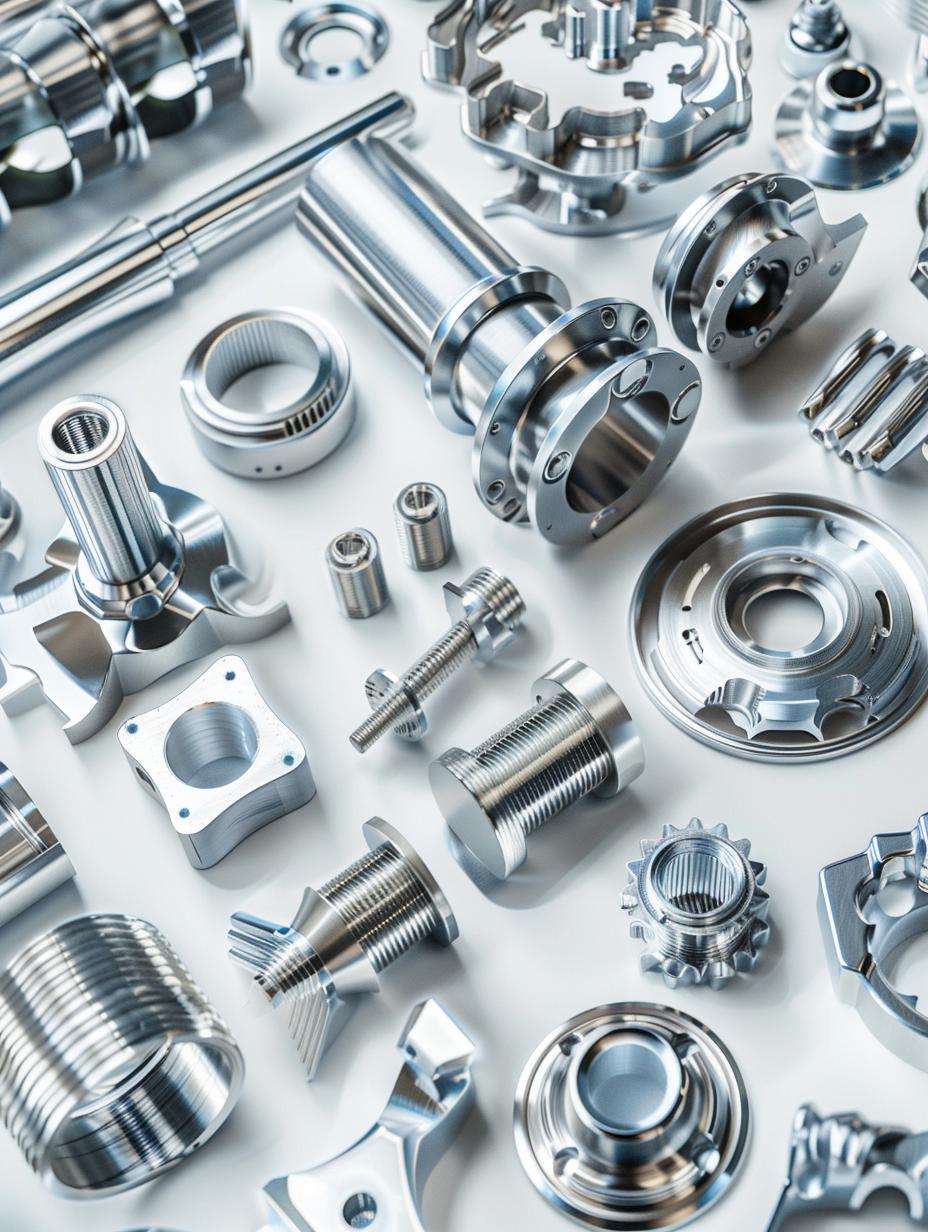
Steel, copper alloys, aluminum alloys, magnesium alloys, nickel alloys, titanium alloys, etc.
| Typical Images
|
|
|
|
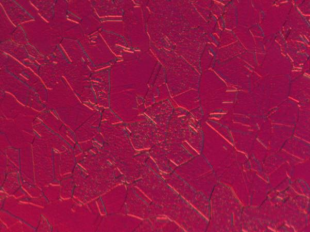
Grain size of oxygen-free copper (polarized light + differential interference) |
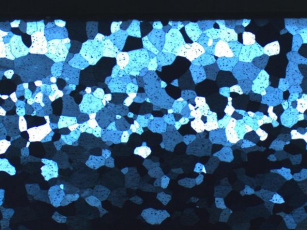
Grain size of aluminum alloy (polarized light) |
|
|
|
|
Grain size of commercial pure iron |
Grain size of aluminum alloy |
| MTT Advantages
1. Professional Team: A team of highly experienced testing engineers and technical experts.
2. Advanced Equipment: Equipped with internationally leading testing instruments to ensure accuracy and reliability of results.
3. Efficient Service: Rapidly respond to customer needs and provide one-stop, high-efficiency inspection services.
4. Authoritative Certification: The laboratory is certified by ISO/IEC 17025, ensuring that test reports have international credibility.
Maxin Testing Laboratory
Learn more about our company
Electronic Manufacturing Information Hub
See more exciting case studies

Video Channel
Watch more exciting videos








 Buildings A1, A3, and A5, Peking University Science and Innovation Park, Songbai Road, Bao'an District, ShenzhenBuilding 3, Xinyao Valley, 415 Changyang Street, Suzhou Industrial Park, Suzhou City1st Floor, Building 4, No. 39 Anzhi Street, Suzhou Industrial Park, Suzhou City