+86-400-850-4050





Didn't find what you were looking for?
Consult a professional engineer immediately for your service
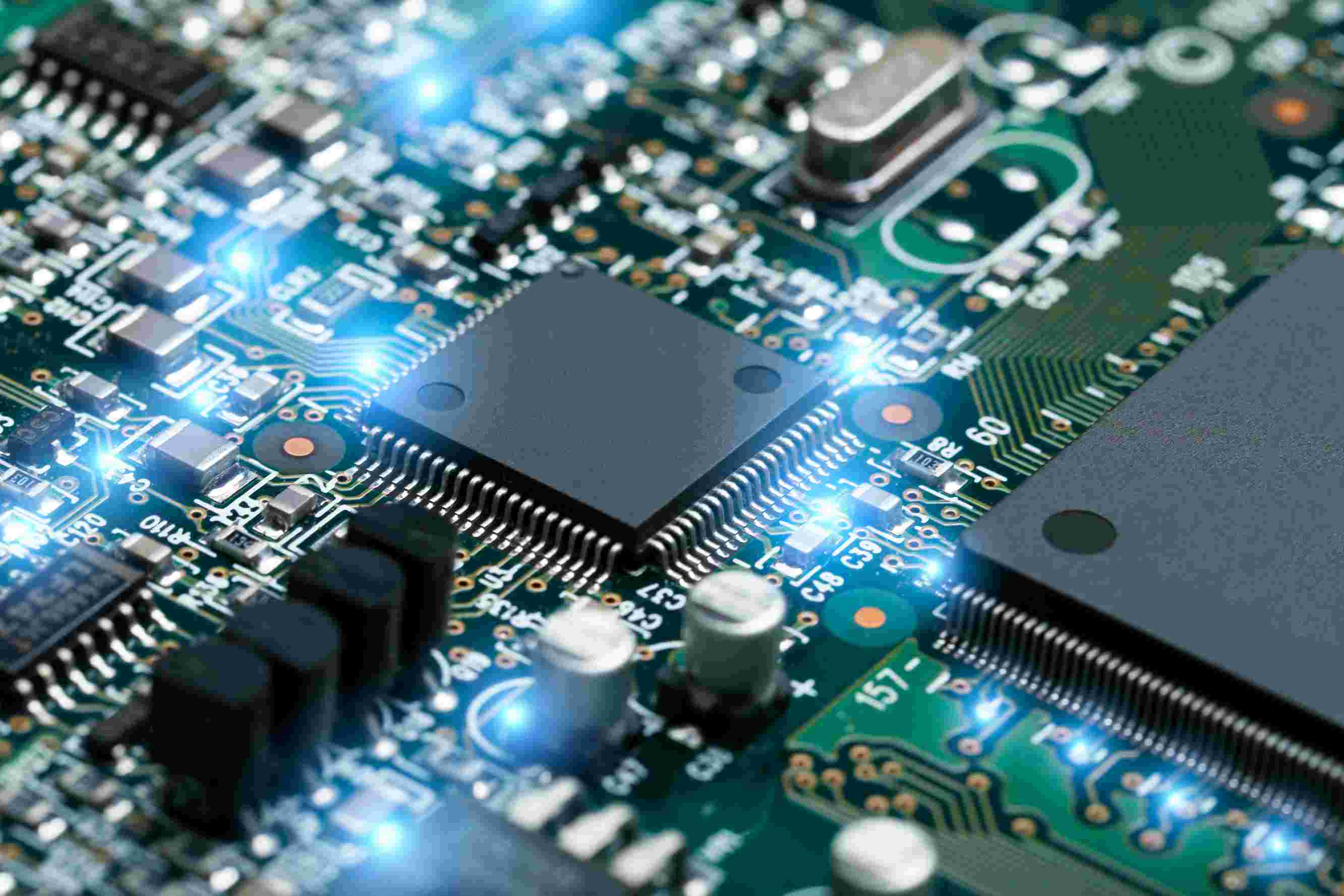
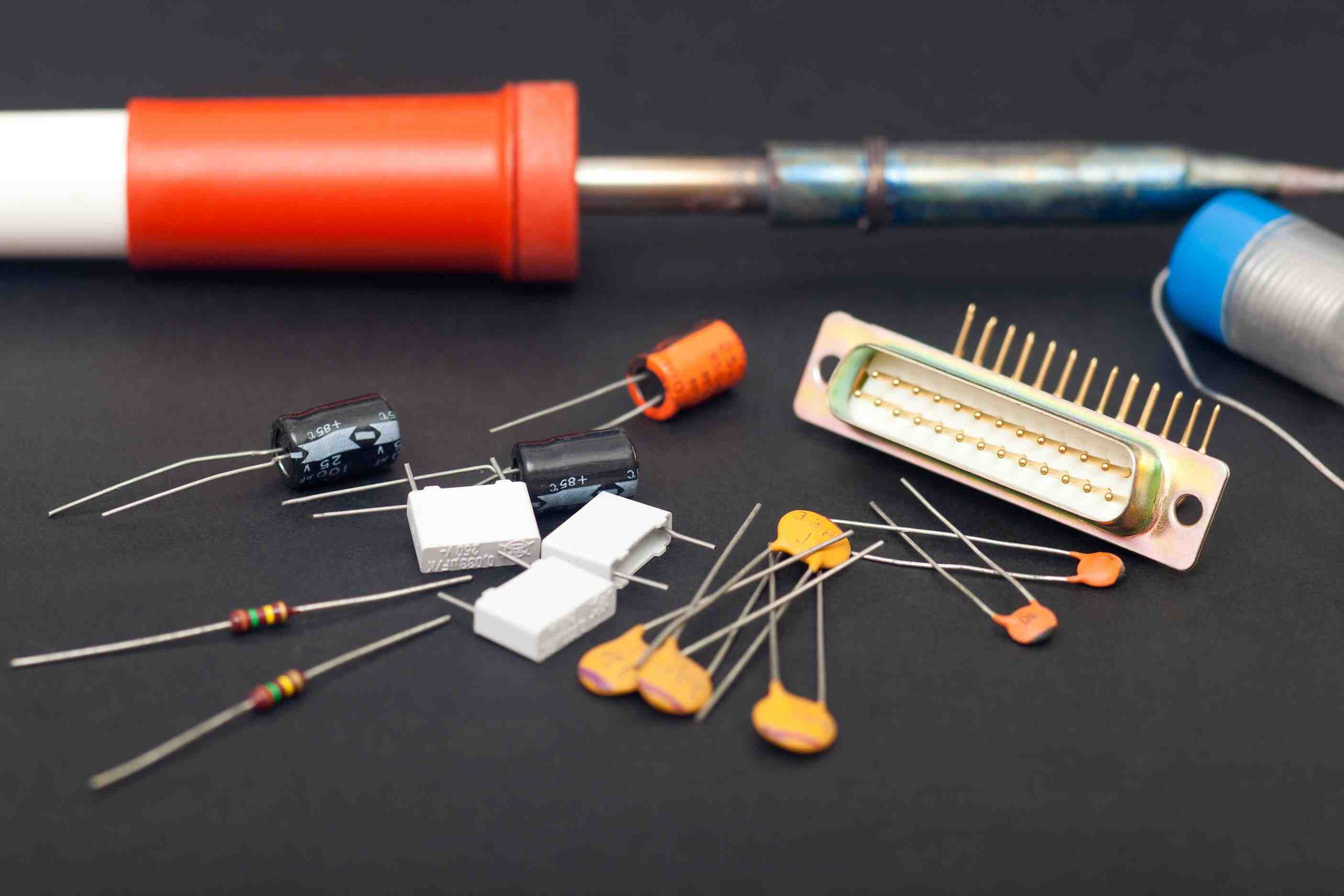


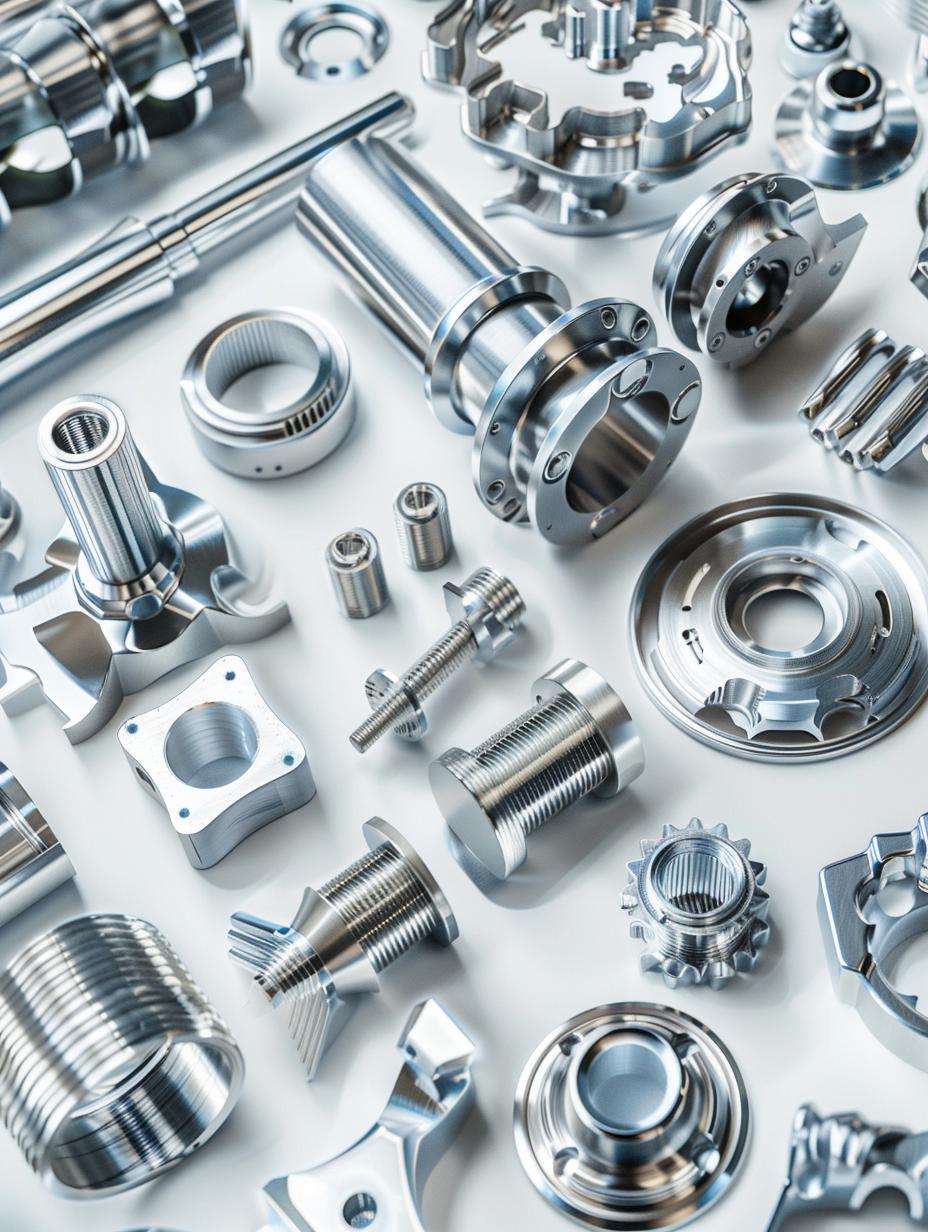



















In electronic products, the selection of metal parts directly affects the performance, safety and life of the product. From the mobile phone shell to the aero engine blades, the scientific choice of metal materials is one of the core links of technology research and development. This article will be combined with laboratory testing technology and engineering practice into two parts, detailed and in-depth discussion of the key points of metal material selection cost performance.
Metallic Materials: Elements and Alloys
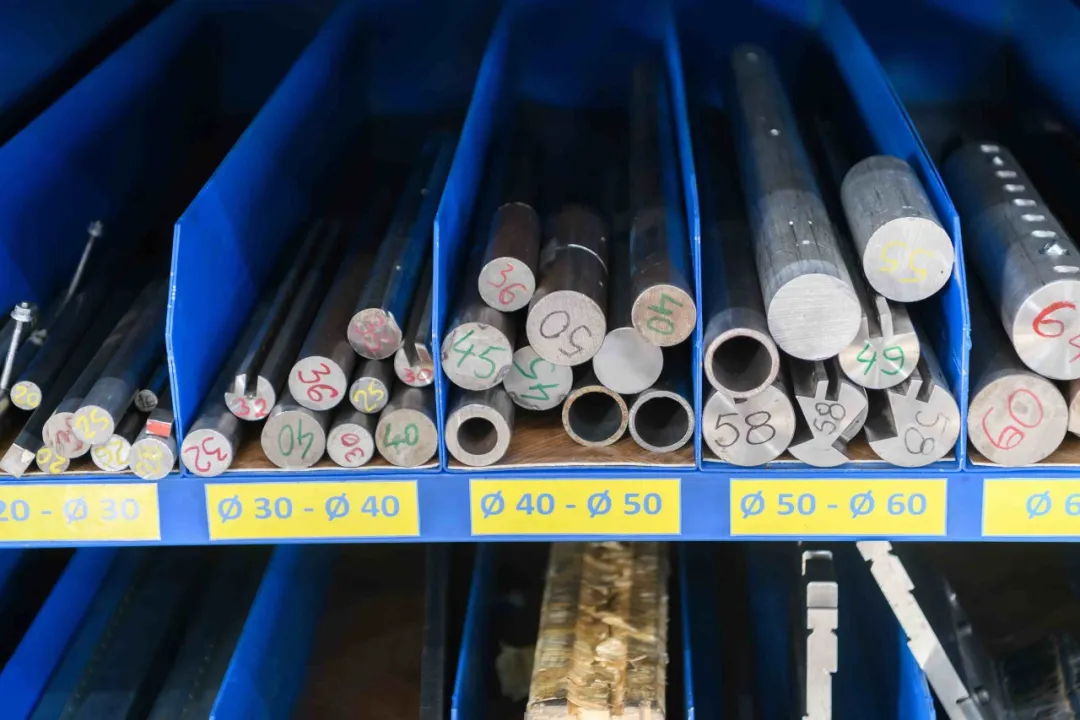
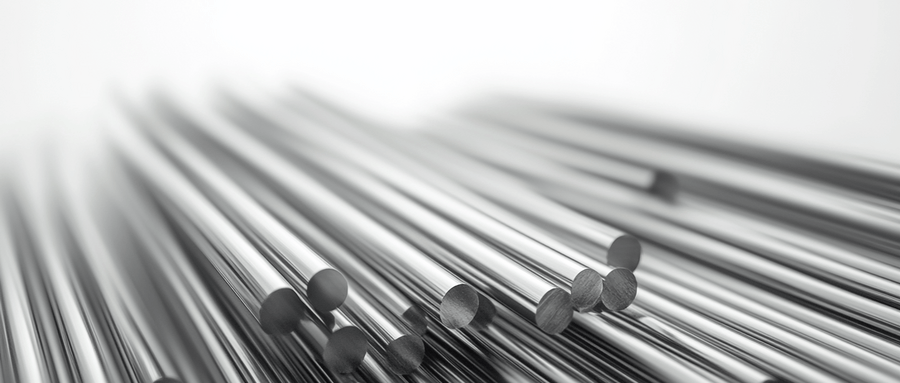
Metal materials can be divided into pure metal and alloys. Common metal elements include iron (Fe), aluminum (Al), copper (Cu), titanium (Ti), etc., by adjusting the element ratio and process, can form alloys with different properties.
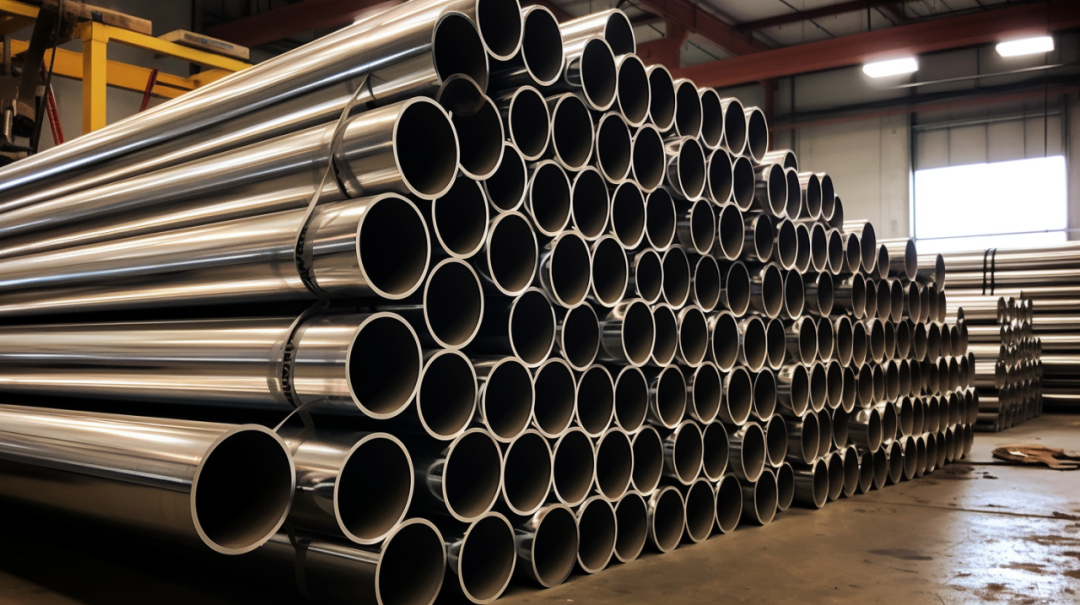
Steel, stainless steel: 304 stainless steel (Fe+Cr+Ni) corrosion resistance, widely used in daily necessities, such as mobile phone internal bracket has high strength, electromagnetic shielding, ultra-thin processing, the surface can form a passivation anti-rust film; 316 stainless steel additional molybdenum (Mo), corrosion resistance further improved, suitable for medical, marine, aviation and other harsh environments.
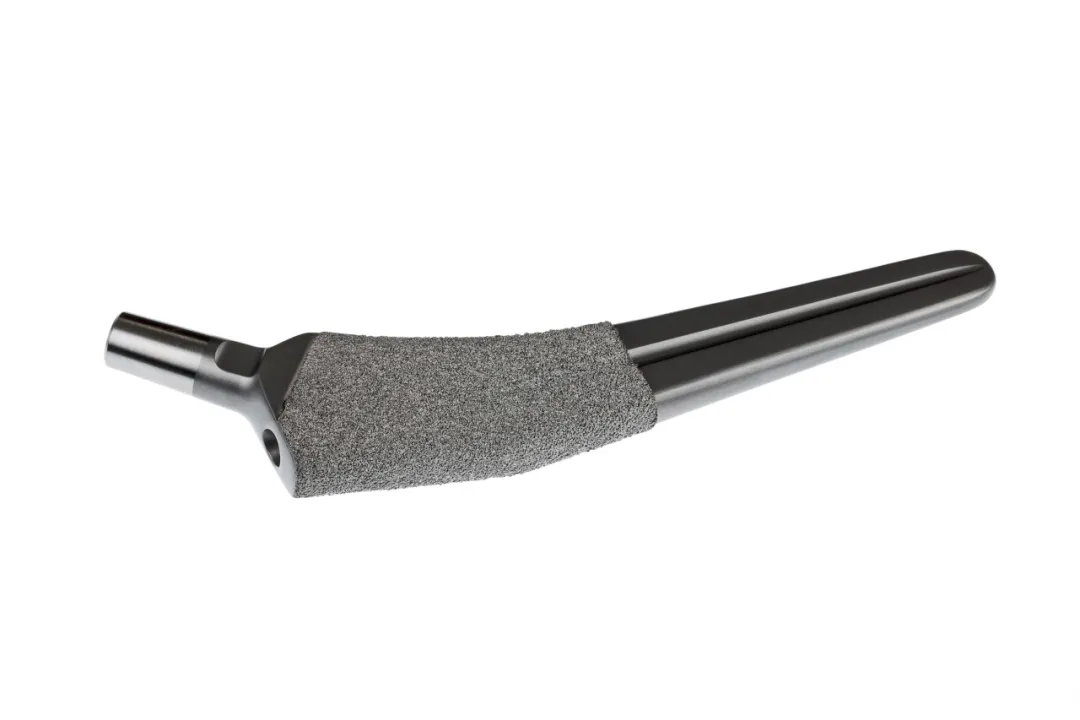
Titanium and titanium alloys: corrosion resistance, high cost; mostly used in high-end areas, such as smart watch back cover with biocompatibility (direct contact with skin without allergenic), high strength (light and thin impact), sweat resistance (salt fog atmosphere environment for a long time is not easy to change color).
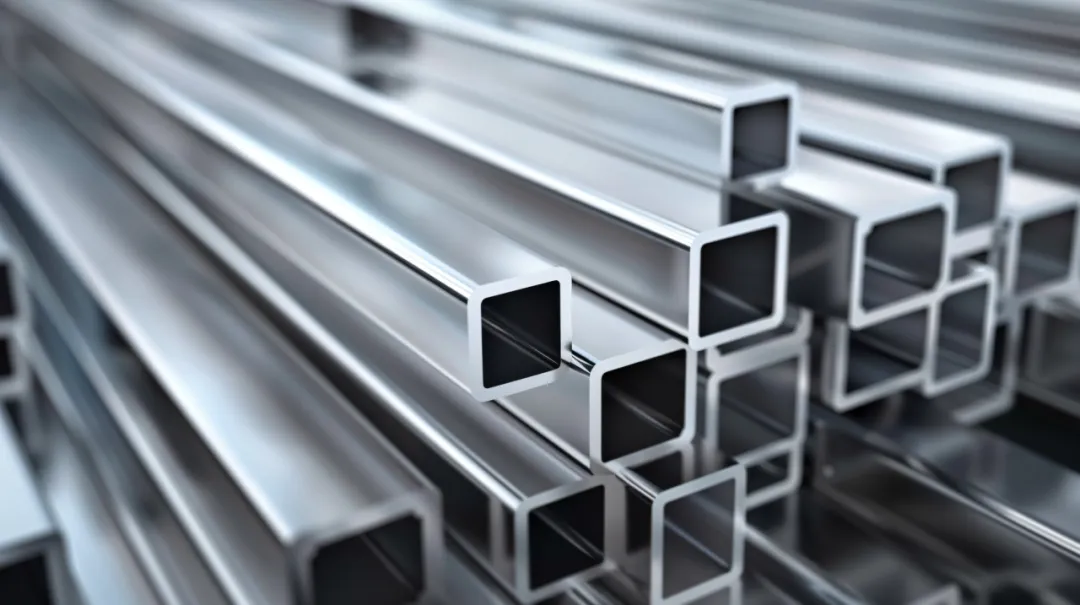
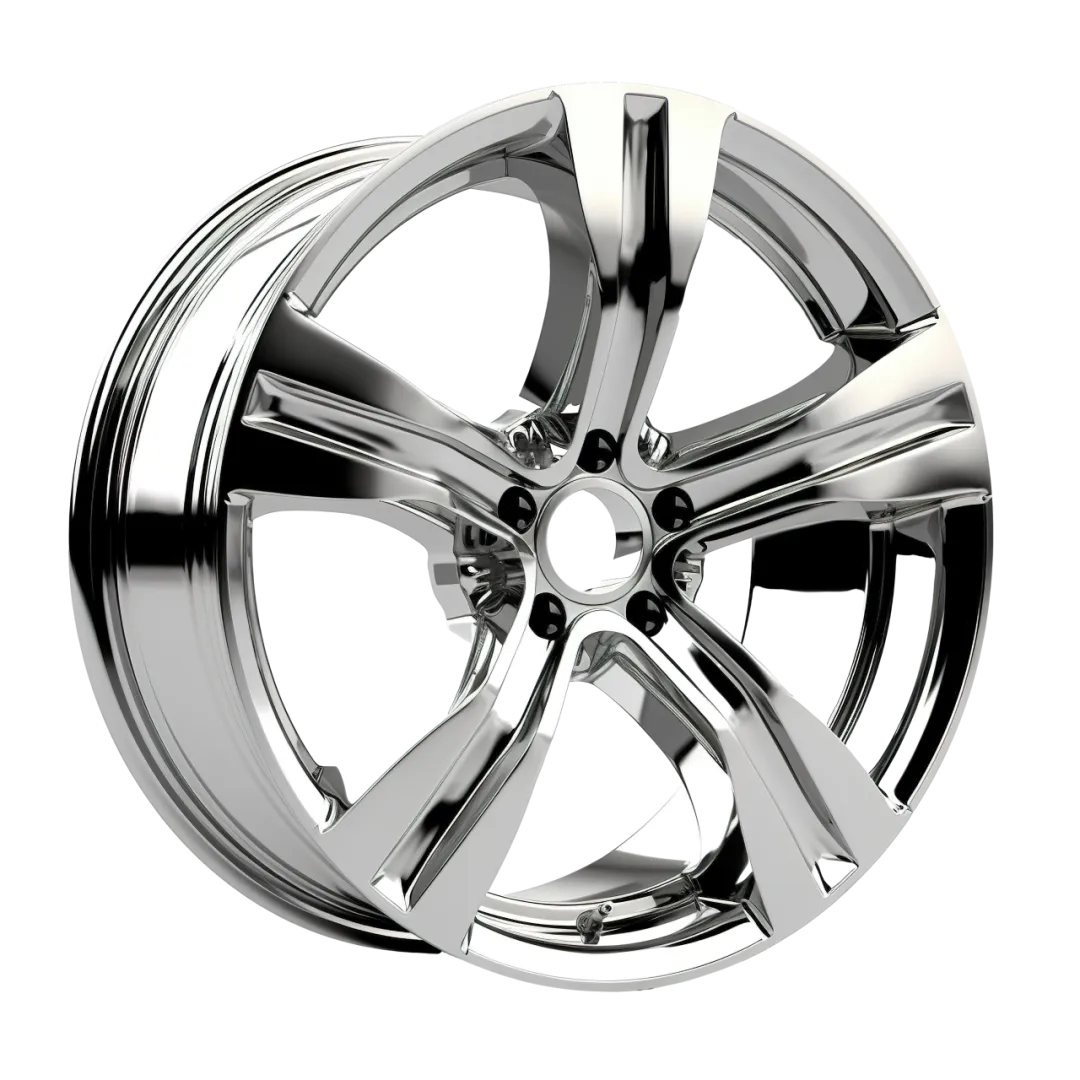
Aluminum and aluminum alloys: light weight, good strength/weight ratio, excellent thermal conductivity, easy processing (casting, extrusion), good corrosion resistance (especially after anodizing), relatively low cost, good recyclability; such as 1xxx (pure aluminum) is often used in wires, heat sinks; 2xxx (Al-Cu) high strength is often used in aerospace materials and so on. 6xxx (Al-Mg-Si) comprehensive performance of excellent high-intensity, good corrosion resistance, a variety of anodizing colors, commonly used in consumer electronics housing, frame, structural parts, radiator.
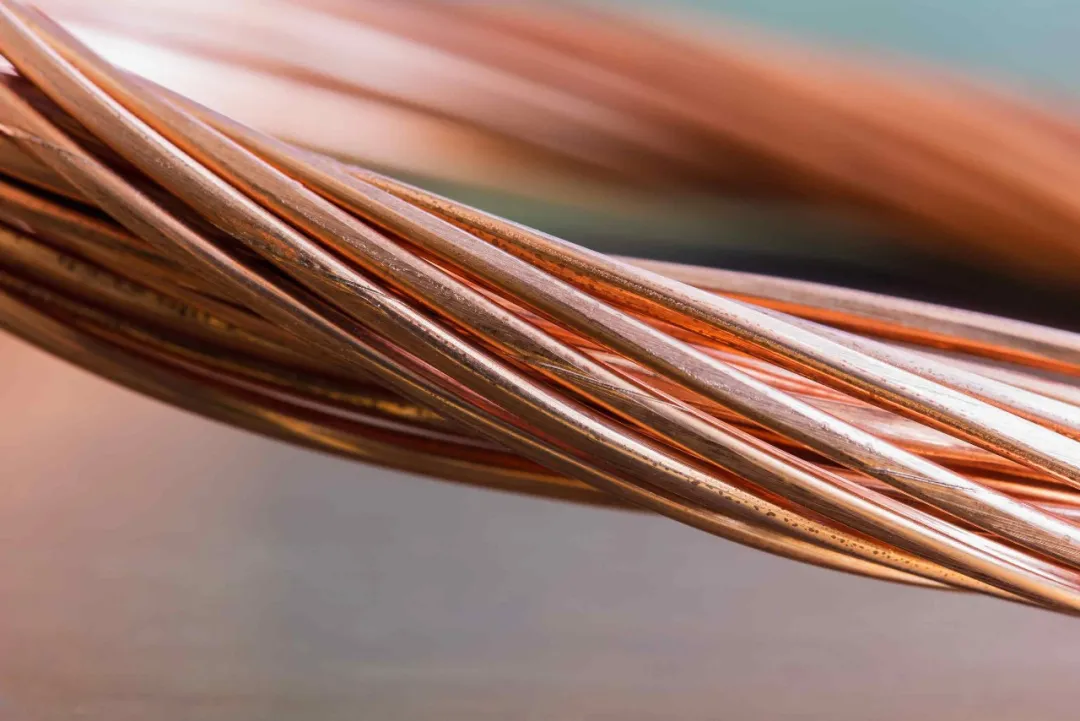
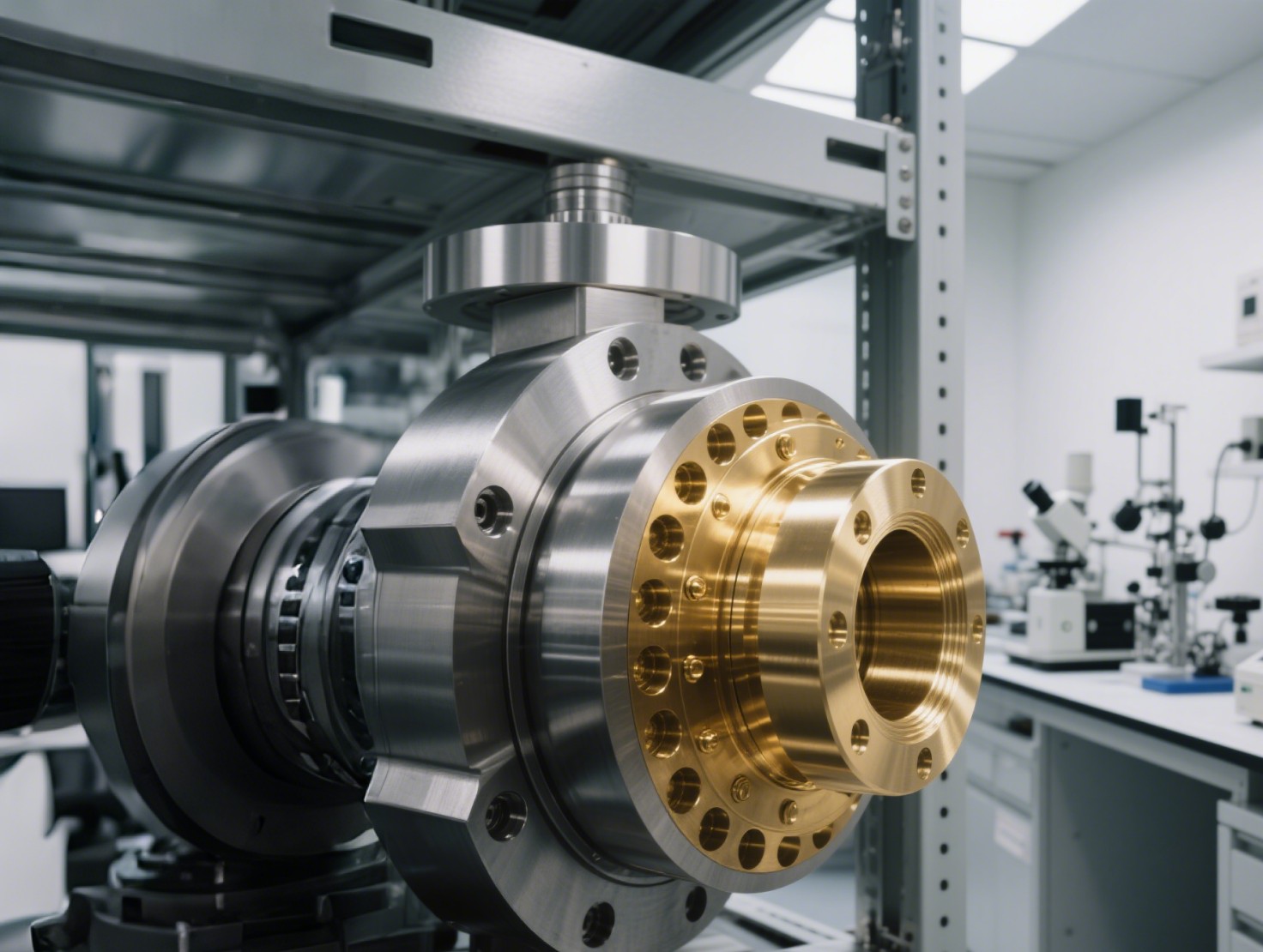
Copper and copper alloys: top electrical and thermal conductivity Good corrosion resistance (especially atmospheric environment), bacteriostatic properties, good machinability (stamping, turning), good weldability; but high cost (especially pure copper), easy to oxidize discoloration (need protection), medium strength. Pure copper (C11000) has extremely high electrical and thermal conductivity is often used in wires and radiator substrates; brass has good comprehensive properties: strength, corrosion resistance, machinability, and relatively low cost. The appearance is golden and often applies connector housings, terminals, gears, valves, decorative parts, etc.
There are other alloys: the lightest structural metal of magnesium alloy has excellent shock absorption, easy die casting, but poor corrosion resistance (strict surface treatment is required); nickel alloy is resistant to high temperature, corrosion resistance (especially strong acid and strong alkali), high strength and oxidation resistance, but the cost is extremely high, high density, processing difficulties, often used in electric wire, resistance wire; zinc alloy low cost, low melting point and easy die casting, can manufacture complex thin-walled parts, good surface treatment performance (easy plating).
Core logic of material alloy selection
Understand the characteristics of the material, how to choose a scientific choice? The key is to optimize performance through a combination of elements to meet specific needs. An efficient selection process usually follows the following core logic:
Clear component function: What is the main role of it? The structural support? Conductive heat dissipation? Appearance decoration?)
Define the working environment: What will it face? The temperature? Humidity? Corrosion of media? Mechanical stress? The electromagnetic environment?)
Identify manufacturing constraints: How is it processed? Casting? Stamping? CNC?) What are the requirements for cost and production?
Setting cost objectives: What is the budget?
Considering the appearance requirements: Do you need a specific color, gloss, texture?
Screening Candidate Materials : Preliminary screening of several possible materials based on the above conditions.
In-depth evaluation: Compare the performance parameters (strength, conductive conductivity, corrosion resistance, etc.) of the candidate material, machinability, cost, etc.
Prototyping and Validation : Make samples and perform the necessary performance tests (the tests that will be described below).
Final Decision and Confirmation : Synthesize all the information and select the material that best meets your needs.
Next announcement
At this point, we systematically sort out the characteristics of mainstream metal materials in electronic products, application scenarios and the core logical framework of scientific material selection. Mastering these basic knowledge is the first step to avoid “choosing the wrong material”.
However, how to accurately verify that the actual performance the material How to balance performance and cost in complex engineering practices? In the face of the case of material selection errors, how should we analyze and solve it?
"Titanium alloy is light and durable but high in price, how can aluminum alloy rely on comprehensive cost performance to become the dominant consumer electronics?"
Next Next post: 《Save Millions! Metal selection detection pits (next) 》will take you into the laboratory, reveal the key material detection "eyes of fire" (OES, XRF, ICP...), and through the insulation cup selection, smart watch shell, new energy vehicle battery, corrosion failure bolts and other real cases, in-depth analysis of the actual combat skills and pit avoidance guide of the material selection。
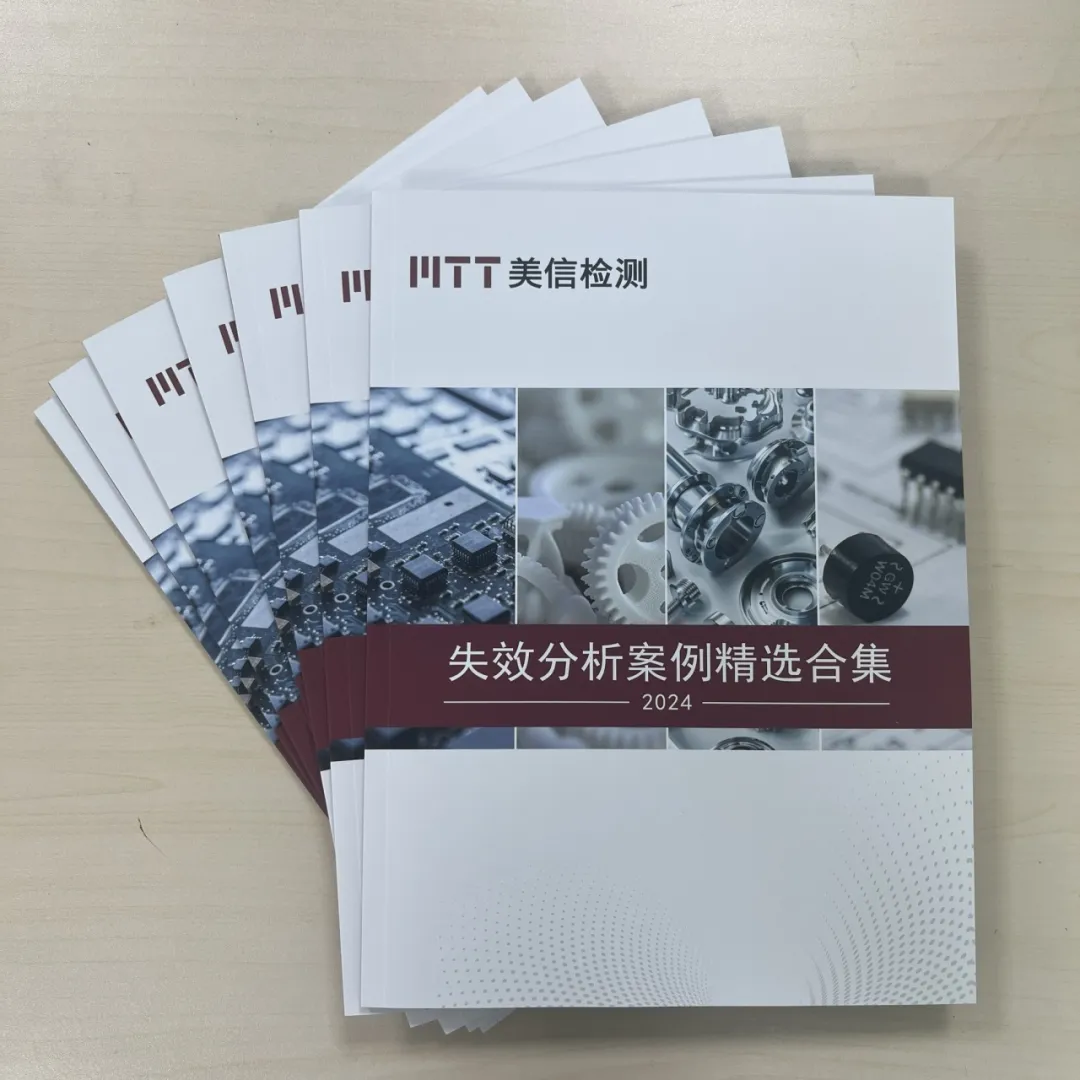
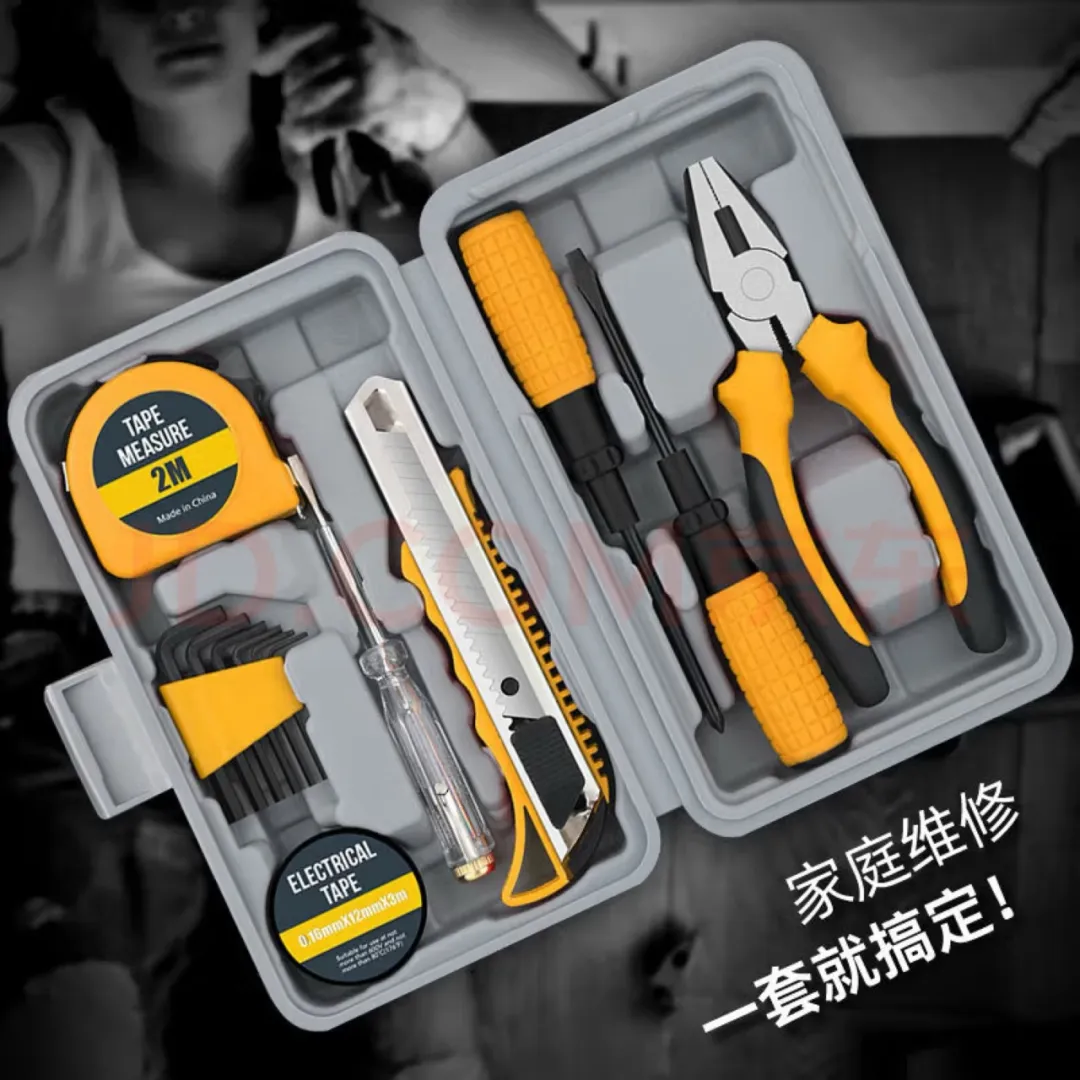
July Interactive Gifts Announced
Failure analysis case book
Household tool kit
The next article to participate in the July topic interactive activities will have the opportunity to get the lucky gift package, let the beauty welfare officer see which lucky person - please look forward to it!





Maxin Testing Laboratory
Learn more about our company

Electronic Manufacturing Information Hub
See more exciting case studies

Video Channel
Watch more exciting videos









 Buildings A1, A3, and A5, Peking University Science and Innovation Park, Songbai Road, Bao'an District, ShenzhenBuilding 3, Xinyao Valley, 415 Changyang Street, Suzhou Industrial Park, Suzhou City1st Floor, Building 4, No. 39 Anzhi Street, Suzhou Industrial Park, Suzhou City