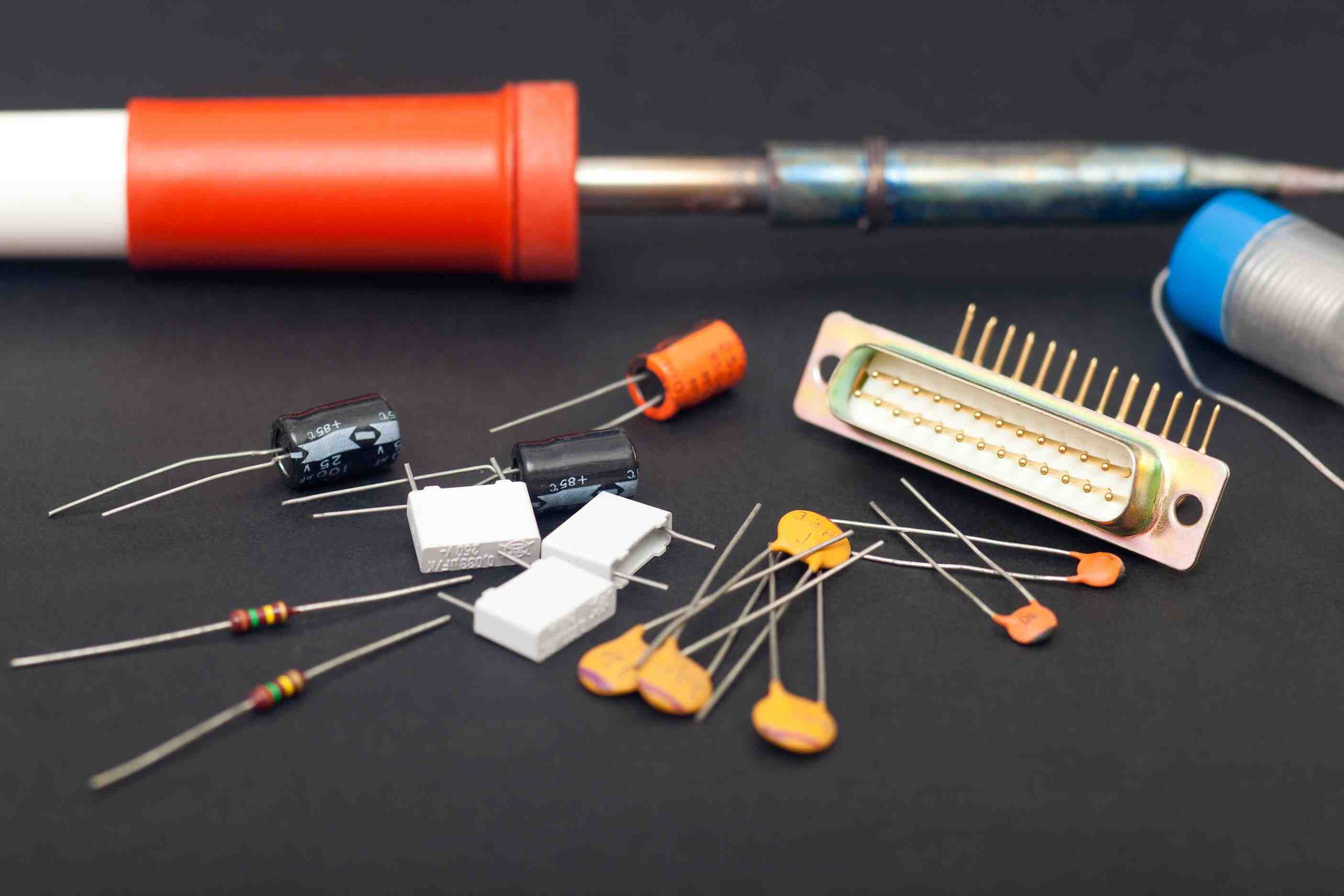
Printed circuit boards and their assemblies (PCB & PCBA) are the core components of electronic products, and their reliability directly determines the overall reliability of electronic products. To ensure and enhance the quality and reliability of electronic products, it is essential to carry out comprehensive physical and chemical analyses of failures, identify the underlying failure mechanisms, and then propose corresponding improvement measures. MTT possesses profound technical expertise in board-level failure analysis, a complete range of analytical methods, a vast database of case studies, and a team of experienced experts, providing you with high-quality and efficient failure analysis services.
The purpose of electronic component failure analysis is to employ a variety of testing and analytical techniques and procedures to identify the failure phenomena of electronic components, determine their failure modes and mechanisms, identify the ultimate root cause of failure, and propose recommendations for improvements in design and manufacturing processes. This helps prevent the recurrence of failures and improves the overall reliability of the components.
The continuous rise in complexity and performance requirements of integrated circuits, combined with potential risks across design, manufacturing, packaging, and application stages, has led to frequent occurrences of critical failure modes such as short circuits, open circuits, leakage, burnout, and parameter drift. These issues not only result in costly device scrapping and system downtime but also often trigger disputes over responsibility among designers, foundries, packaging and testing houses, and end-users, causing significant economic losses and reputational risks.
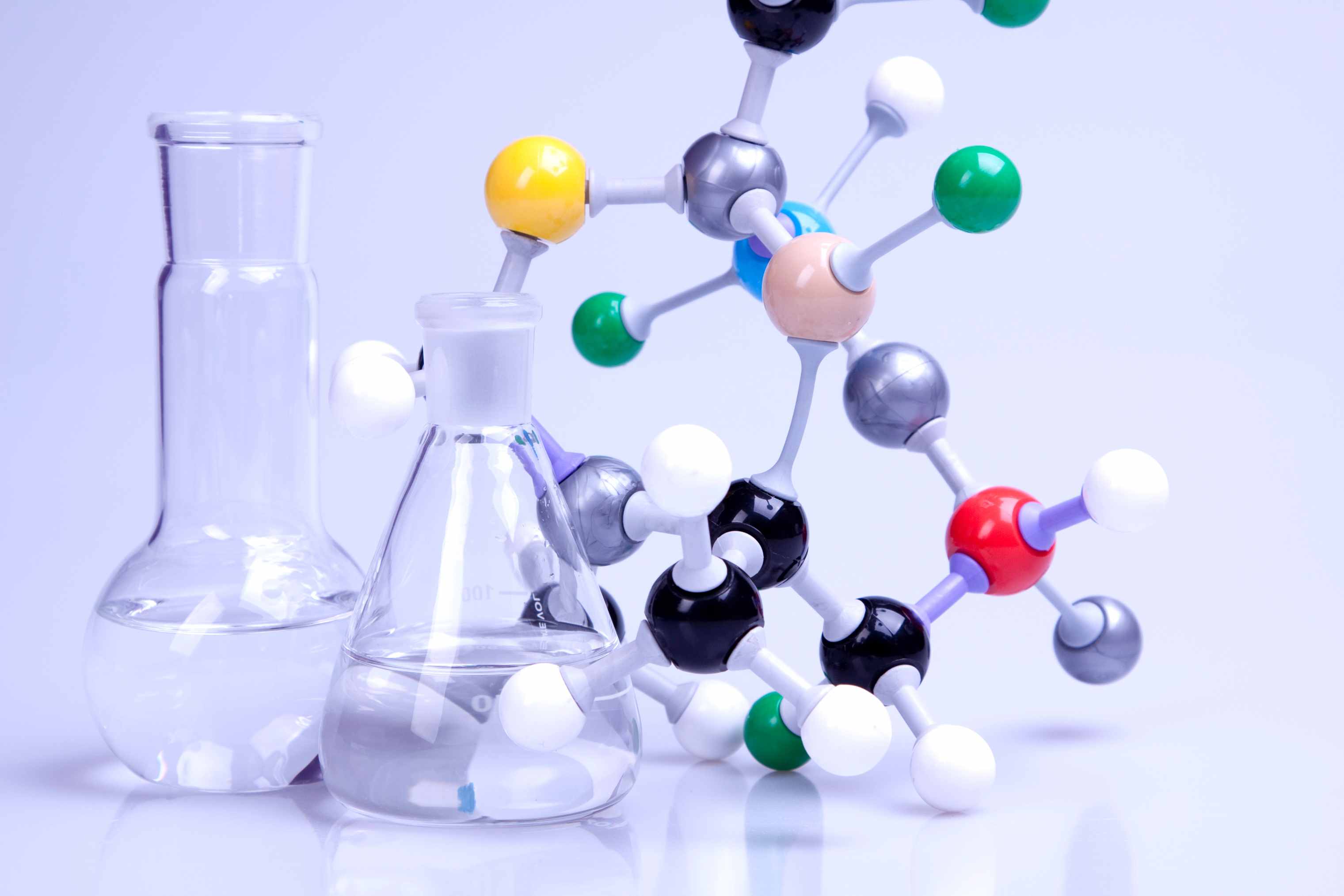
The performance requirements for polymer materials continue to rise, while differences in understanding of high-demand products and processes between customers and suppliers often lead to frequent failures such as fracture, cracking, corrosion, and discoloration. These failures frequently cause disputes over responsibility and result in significant economic losses.
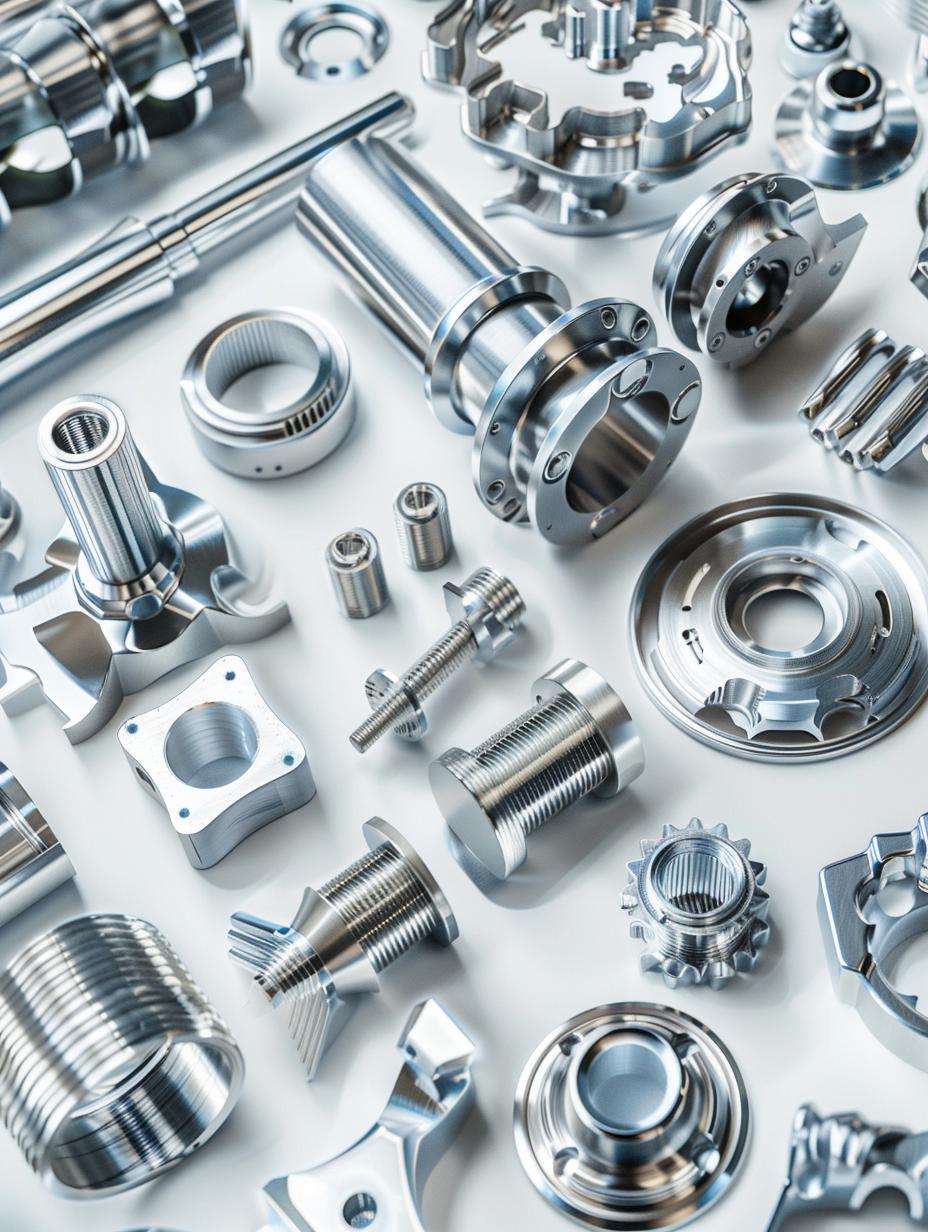
The increasingly harsh service environments of metal components place higher demands on material performance and structural reliability. However, factors such as design flaws, material defects, manufacturing deviations, or improper use can readily trigger typical failures including fatigue fracture, stress corrosion cracking, hydrogen embrittlement, creep, wear, and overload deformation.
Didn't find what you were looking for?
Consult a professional engineer immediately for your service

Didn't find what you were looking for?
Consult a professional engineer immediately for your service
Meixin Testing leverages its technological edge in constructing massive failure databases, showcasing its capabilities through comprehensive case studies, solutions for complex scenarios, partnerships with leading enterprises, and systematic intellectual property. Drawing on millions of failure analyses, it delivers precise insights into root causes, enabling inspection reports to provide robust support for clients' quality upgrades and achieve zero failures.
Didn't find what you were looking for?
Consult a professional engineer immediately for your service
Stay updated with the latest news from Maxin Testing, including technical developments, exhibitions, and events. We build on a foundation of professional testing to deliver customized solutions for our clients, ensuring quality control from the source. This empowers our clients to stand out in the marketplace and achieve commercial success.
Didn't find what you were looking for?
Consult a professional engineer immediately for your service
MTT is a nationally accredited commercial third-party laboratory. We specialize in providing testing services, technical consulting services, and solution services to clients across industries including electronics manufacturing, automotive electronics, semiconductors, and aerospace materials.
Maxin Testing operates laboratory facilities in Shenzhen, Suzhou, and Beijing, featuring multidisciplinary testing and analytical laboratories. The company pioneers an industrial hospital service model grounded in materials science engineering and electronic reliability engineering.
Didn't find what you were looking for?
Consult a professional engineer immediately for your service
Professional verification platform, delivering precise data insights to build a solid foundation of trust for investors.
Didn't find what you were looking for?
Consult a professional engineer immediately for your service

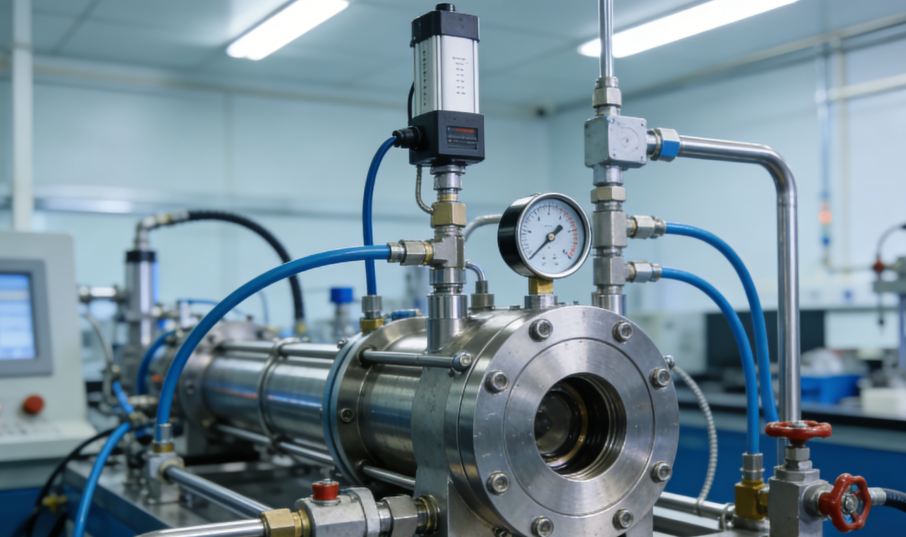
Sealing performance test

The sealing performance test comprehensively evaluates the sealing ability of quick connectors in the connected and disconnected states through sealing tests, helium mass spectrometry leak detection, pressure drop tests, and flow loss tests.

Sealing performance test

Test Background


Quick connectors are the components with the most frequent insertion and extraction operations and the highest leakage risk in the liquid-cooling system. Their sealing performance directly determines whether the system can be disconnected without leakage during maintenance, thus avoiding short-circuits caused by coolant splashing.


Test Introduction


The sealing performance test comprehensively evaluates the sealing ability of quick connectors in the connected and disconnected states through sealing tests, helium mass spectrometry leak detection, pressure drop tests, and flow loss tests.


Testing Objectives


Verify the internal and external leakage rates in the connected state

Ensure reliable sealing of the two-way check valve in the disconnected state

Determine the pressure drop and flow coefficient (Cv value)

Detect the fluid loss during a single insertion and extraction operation


Test Standards


GB/T 7939.2-2024 Test methods for quick-change connectors

ISO 18869-2017 Hydraulic fluid power-Connections-Test methods

Sealing performance requirements for OCP UQD


Applicable Products/Fields


Suitable for UQD quick connectors, blind-mate connectors, pressure hot-plug connectors, etc. in liquid cooling systems.


Test Content


Low-pressure leakage test: Maintain a pressure of 750 mm of water column for 30 minutes to measure leakage

High-pressure leakage test: Maintain the maximum working pressure for 30 minutes to measure leakage

Helium mass spectrometry leak detection: Detect leaks at the 10 level using the vacuum chamber method

Pressure drop test: Measure the pressure drop at different flow rates and calculate the Cv value

Fluid loss test: The fluid loss per single insertion and extraction is ≤ 0.025 mL


Project Advantages


High-precision helium leak detection equipment, capable of detecting micron-level leaks

Pressure drop testing covers both flow directions

Compliant with multiple standards including OCP/ISO/GB


Laboratory Configuration


Helium mass spectrometer leak detector (vacuum box method)

Pressure drop test system (flow rate: 0-20 L/min)

High-precision balance (fluid loss weighing method)

Automatic pressure/flow recording system


FAQ
Q: What does a UQD fluid loss of 0.025 mL mean?
A: It is equivalent to the volume of half a drop of water, ensuring minimal cumulative leakage even with frequent plugging and unplugging, so as not to cause water shortage or contamination in the system.

Online Service Enquiries
  • * Name:
  • * Email:
  • * Company:
  • Position:
  • * Tel:
  • City:
  • Consultation Content:
1. When you provide personal information to this website, we shall not disclose (share, sell or transfer) any of your personal information to third parties (including companies or individuals) without your prior consent, unless required by law or government mandate.
2. The information you provide will only be used to help us deliver a better service to you.
Email
marketing@mttlab.com
Business Consultation
Free Consultation
Report Inquiry
Back to Top
Contact Us
  • *Name:
  • *Contact:
  • *Email:
  • *Company/Organization/school:
  • *The location:
  • *Message information: