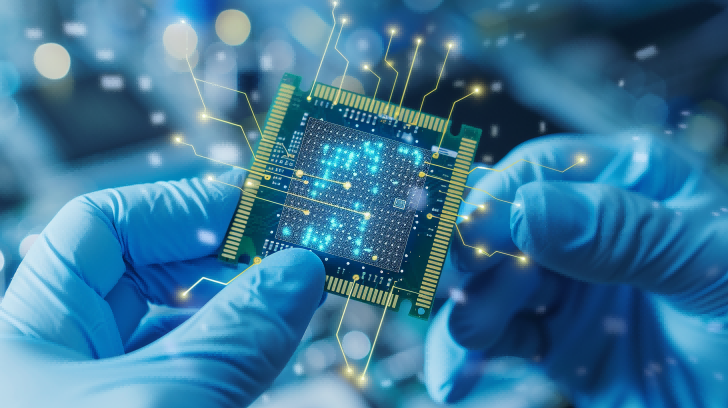
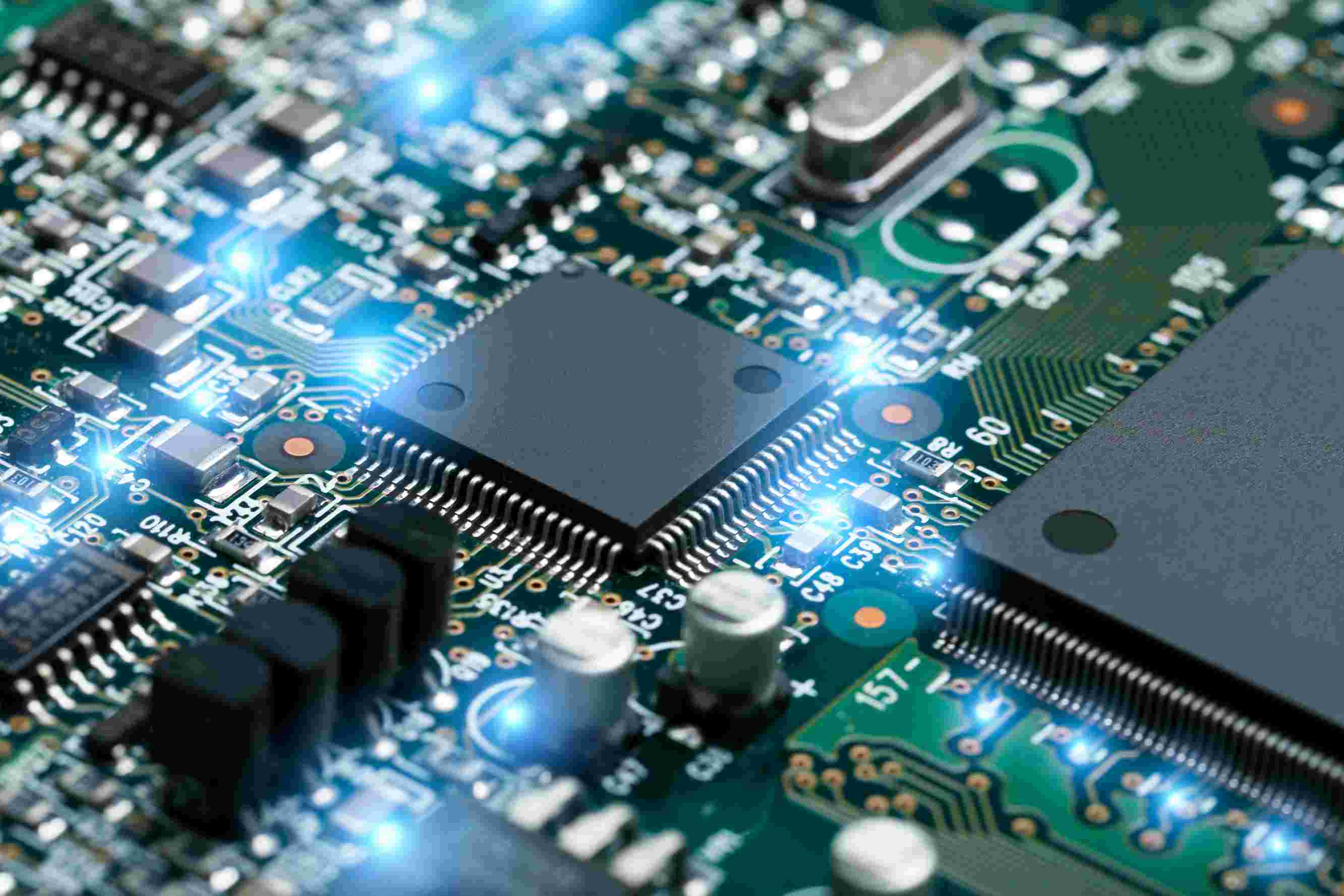
Printed circuit boards and their assemblies (PCB & PCBA) are the core components of electronic products, and their reliability directly determines the overall reliability of electronic products. To ensure and enhance the quality and reliability of electronic products, it is essential to carry out comprehensive physical and chemical analyses of failures, identify the underlying failure mechanisms, and then propose corresponding improvement measures. MTT possesses profound technical expertise in board-level failure analysis, a complete range of analytical methods, a vast database of case studies, and a team of experienced experts, providing you with high-quality and efficient failure analysis services.
The purpose of electronic component failure analysis is to employ a variety of testing and analytical techniques and procedures to identify the failure phenomena of electronic components, determine their failure modes and mechanisms, identify the ultimate root cause of failure, and propose recommendations for improvements in design and manufacturing processes. This helps prevent the recurrence of failures and improves the overall reliability of the components.
The continuous rise in complexity and performance requirements of integrated circuits, combined with potential risks across design, manufacturing, packaging, and application stages, has led to frequent occurrences of critical failure modes such as short circuits, open circuits, leakage, burnout, and parameter drift. These issues not only result in costly device scrapping and system downtime but also often trigger disputes over responsibility among designers, foundries, packaging and testing houses, and end-users, causing significant economic losses and reputational risks.
The performance requirements for polymer materials continue to rise, while differences in understanding of high-demand products and processes between customers and suppliers often lead to frequent failures such as fracture, cracking, corrosion, and discoloration. These failures frequently cause disputes over responsibility and result in significant economic losses.
The increasingly harsh service environments of metal components place higher demands on material performance and structural reliability. However, factors such as design flaws, material defects, manufacturing deviations, or improper use can readily trigger typical failures including fatigue fracture, stress corrosion cracking, hydrogen embrittlement, creep, wear, and overload deformation.
Didn't find what you were looking for?
Consult a professional engineer immediately for your service
Didn't find what you were looking for?
Consult a professional engineer immediately for your service
Meixin Testing leverages its technological edge in constructing massive failure databases, showcasing its capabilities through comprehensive case studies, solutions for complex scenarios, partnerships with leading enterprises, and systematic intellectual property. Drawing on millions of failure analyses, it delivers precise insights into root causes, enabling inspection reports to provide robust support for clients' quality upgrades and achieve zero failures.
Didn't find what you were looking for?
Consult a professional engineer immediately for your service
Stay updated with the latest news from Maxin Testing, including technical developments, exhibitions, and events. We build on a foundation of professional testing to deliver customized solutions for our clients, ensuring quality control from the source. This empowers our clients to stand out in the marketplace and achieve commercial success.
Didn't find what you were looking for?
Consult a professional engineer immediately for your service
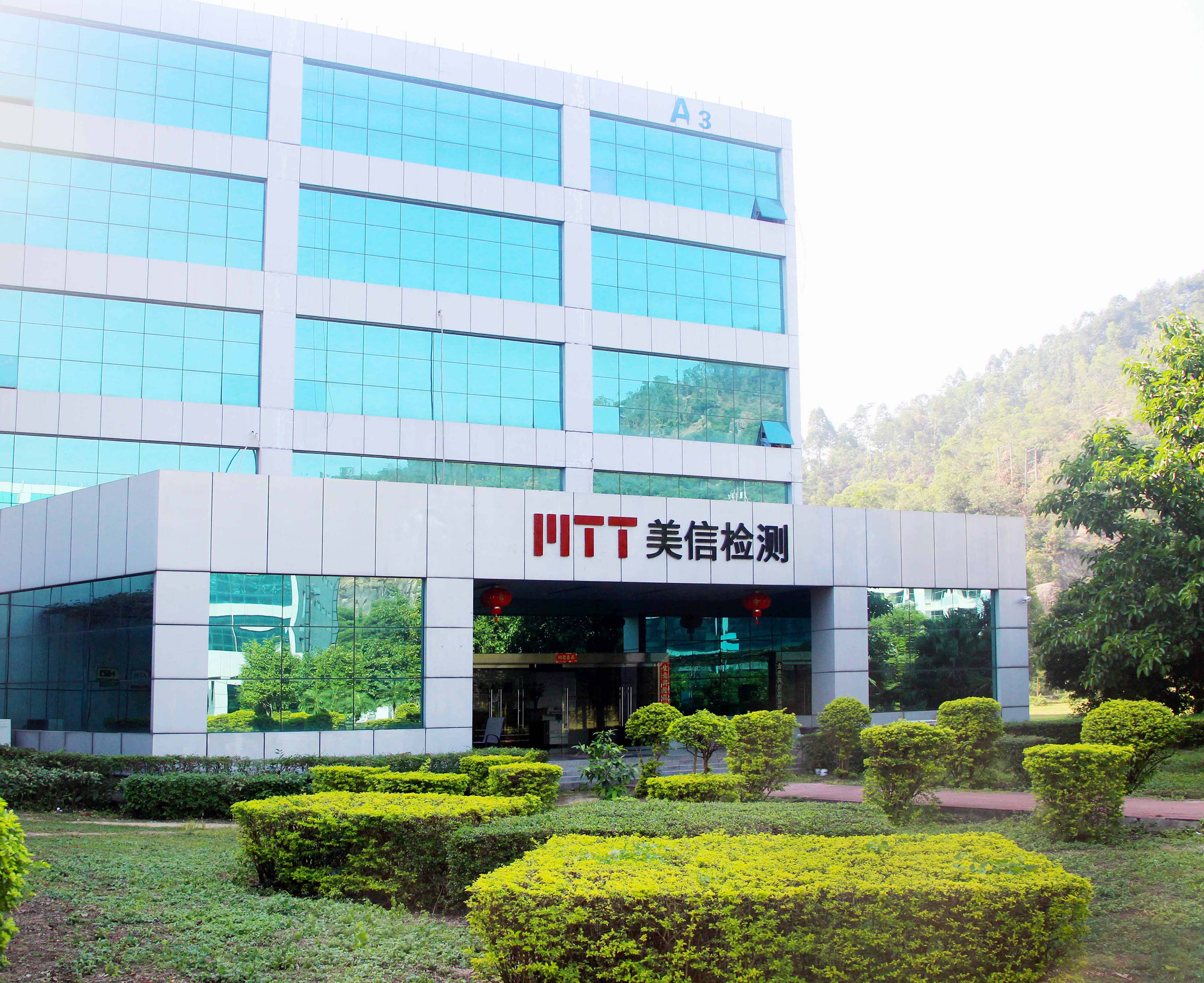
MTT is a nationally accredited commercial third-party laboratory. We specialize in providing testing services, technical consulting services, and solution services to clients across industries including electronics manufacturing, automotive electronics, semiconductors, and aerospace materials.
Maxin Testing operates laboratory facilities in Shenzhen, Suzhou, and Beijing, featuring multidisciplinary testing and analytical laboratories. The company pioneers an industrial hospital service model grounded in materials science engineering and electronic reliability engineering.
Didn't find what you were looking for?
Consult a professional engineer immediately for your service
Professional verification platform, delivering precise data insights to build a solid foundation of trust for investors.
Didn't find what you were looking for?
Consult a professional engineer immediately for your service

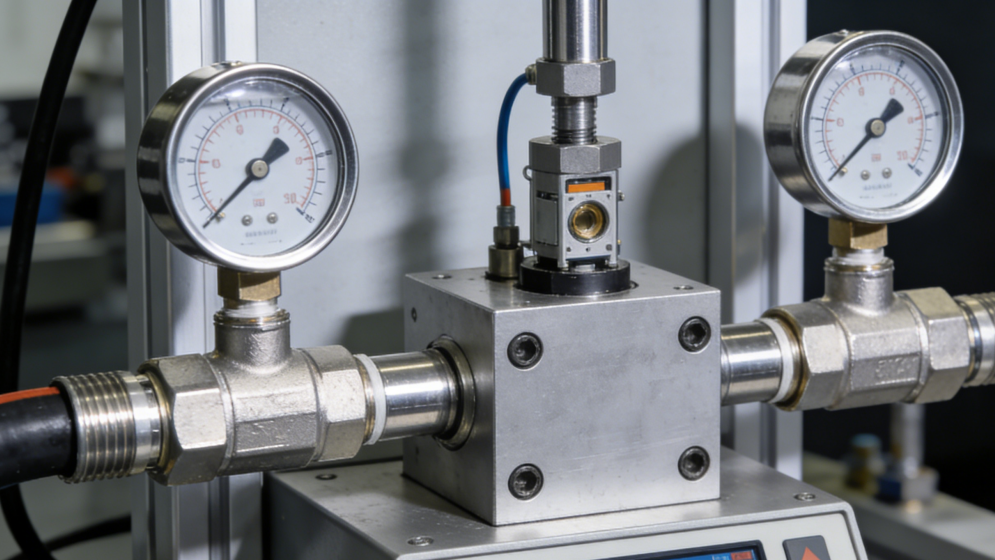
Integrated thermal management solutions for liquid cooling in the field of AI computing power servers

Energy consumption and heat dissipation needs in data center had increased dramatically. Besides, there had been an urgent need for green and energy-saving technologies under the "dual carbon" goal. Against this background, the integrated thermal management solutions for liquid cooling in the field of AI computing power servers were developed. With the development of AI, cloud computing, and related technologies, server power density continues to rise, making traditional air-cooling technology insufficient to meet high-efficiency cooling requirements. As a result, liquid cooling has become the key solution.

Service Offerings

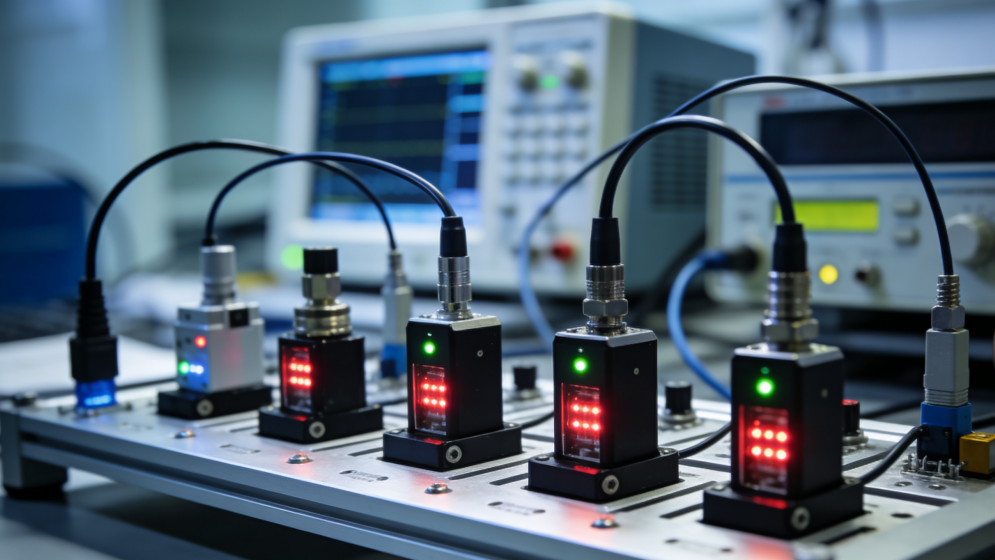
Sensor testing
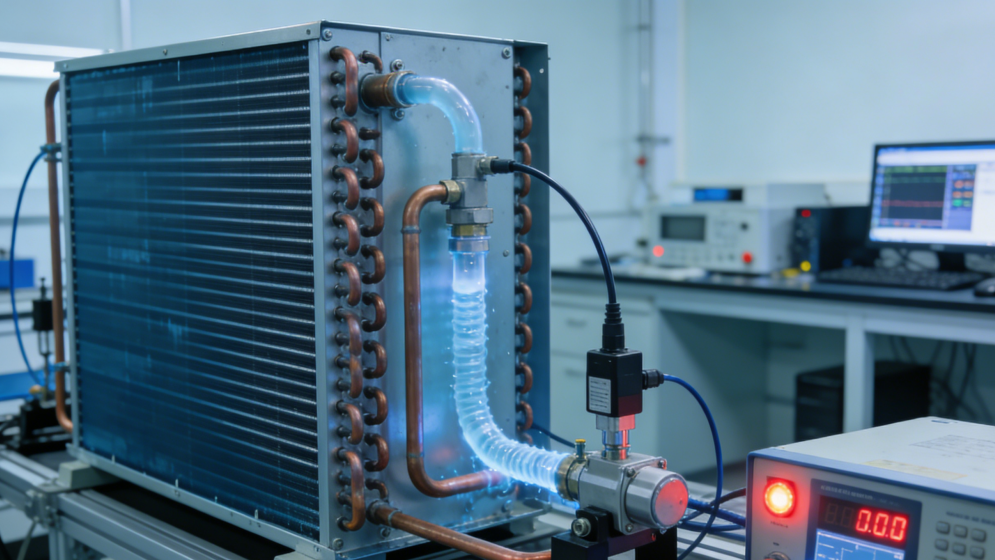
Sensors (temperature, pressure, flow, liquid leakage sensors, etc.) are the basis for realizing intelligent monitoring and control of the liquid cooling system. The test items include electrical performance tests (insulation resistance, pressure resistance, power consumption, EMC), accuracy and response characteristic tests (accuracy, linearity, zero drift, response time, hysteresis error), reliability and durability tests (temperature cycling, long-term stability, influence of bubbles, influence of medium viscosity), and compatibility tests (static corrosion of the coolant, compatibility of communication protocols, stability of data transmission) to ensure that the sensors monitor accurately, respond promptly, and provide reliable data in long-term operation.
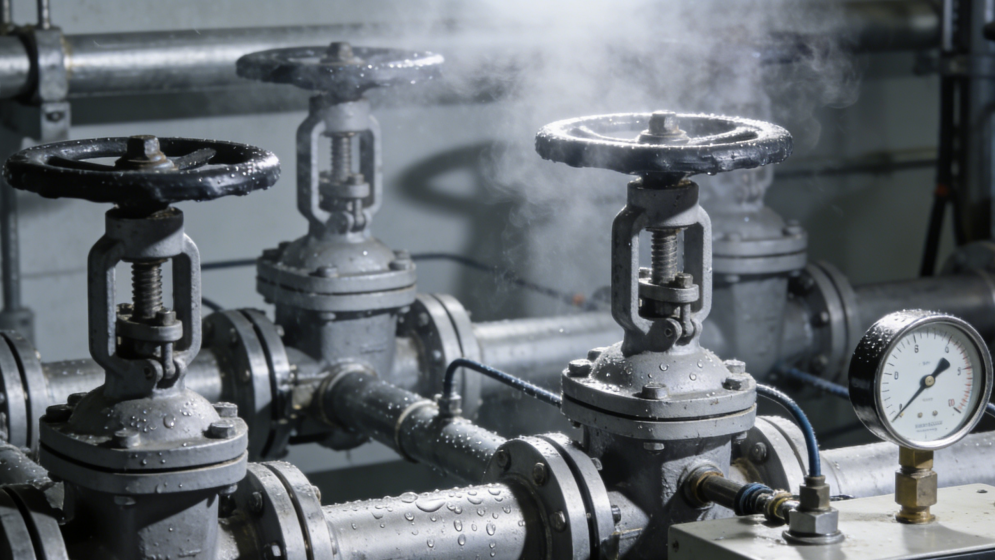
Valve testing
The valve assembly (including electromagnetic shut-off valves, electric control valves, etc.) realizes coolant flow regulation, rapid isolation of abnormal working conditions, and system redundant switching. The test items include safety tests (pressure resistance, leakage rate, insulation resistance, EMC), functional performance tests (flow characteristics, pressure drop, opening and closing torque and time, solenoid valve response), reliability and durability tests (opening and closing cycle life, thermal cycling, damp heat aging, vibration and shock), and compatibility tests (static corrosion of the coolant, linkage control of the pump-sensor-valve) to ensure that the valves respond quickly, seal reliably, and control accurately in the liquid cooling system.
Liquid cooling pump test
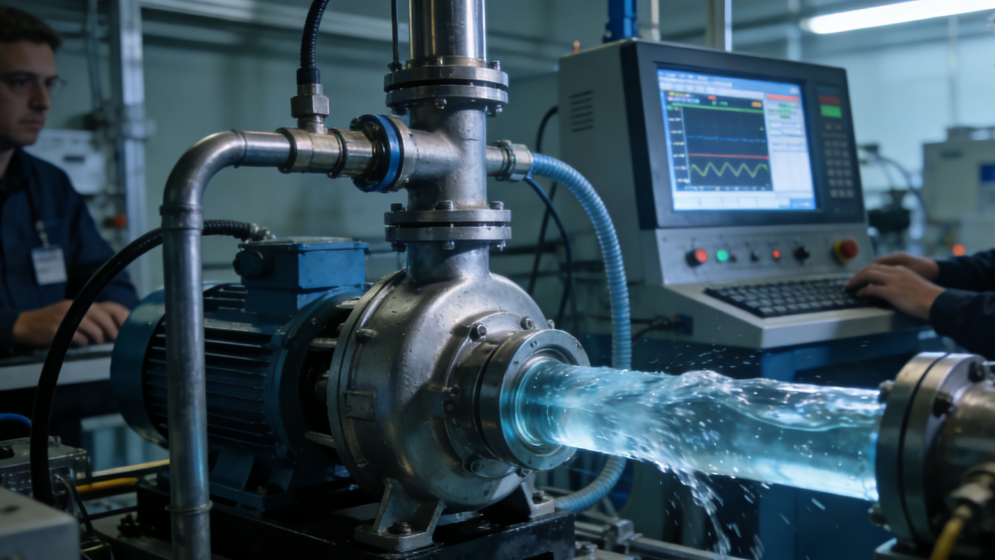
The liquid cooling pump provides power for the coolant circulation and is the core power component of the CDU and the liquid cooling system. The test items include safety tests (pressure resistance, electrical safety, sealing performance), function and energy efficiency tests (flow-head curve, energy efficiency under rated/frequency conversion conditions, flow adjustment response), reliability and durability tests (vibration and noise, continuous operation life, MTBF verification, main-standby switching, fault self-diagnosis), and compatibility tests (coolant corrosion, adaptation to low-viscosity media, bubble-free operation) to ensure that the pump unit operates efficiently, stably, and safely in long-term operation.
Testing of liquid cooling working fluids
The liquid cooling working fluid is a heat exchange medium. Its physical and chemical properties and compatibility of the liquid cooling working fluid directly affect the heat dissipation efficiency and long-term reliability of the system. The tests cover physical and chemical performance tests (density, viscosity, freezing point, boiling point, pH value, electrical conductivity), heat transfer performance tests (thermal conductivity, specific heat capacity), material compatibility tests (corrosion and swelling tests of metals, seals, and non-metallic materials), and environmental safety performance tests (flame retardancy, biological stability, degradability) to ensure that the coolant can transfer heat efficiently, is compatible with the system materials in the long term, and meets the environmental protection and safety requirements.
Quick connector testing
The quick connector is the core component for realizing the quick insertion and extraction connection between the cold plate and the pipeline in the liquid cooling system. The built-in bidirectional check valve design ensures leak-free operation. The test items include sealing performance tests (leakage rate, pressure drop, flow coefficient), insertion and extraction life and mechanical performance tests (insertion and extraction cycles, connection force, reliability of the locking mechanism), mechanical environment reliability tests (vibration, temperature cycle, damp heat aging), and structural strength tests (hydrostatic pressure, bursting pressure) to ensure the safety and durability of the connection during frequent maintenance and in harsh environments.
Testing of connection devices/bellows
The connection devices (including water dividers, bellows, and pipeline components) are key links for realizing the distribution and transportation of coolant in the liquid cooling system. The tests cover seal pressure resistance tests (hydrostatic pressure, pressure cycle nitrogen mass spectrometry leak detection), flow distribution performance tests (uniformity of branch flow, full flow pressure drop), structural reliability tests (vibration shock, thermal cycle, life test), and interface adaptability tests (insertion and extraction life, cleanliness, coolant compatibility) to ensure the fluid transportation efficiency and long-term seal reliability of the system under complex working conditions.
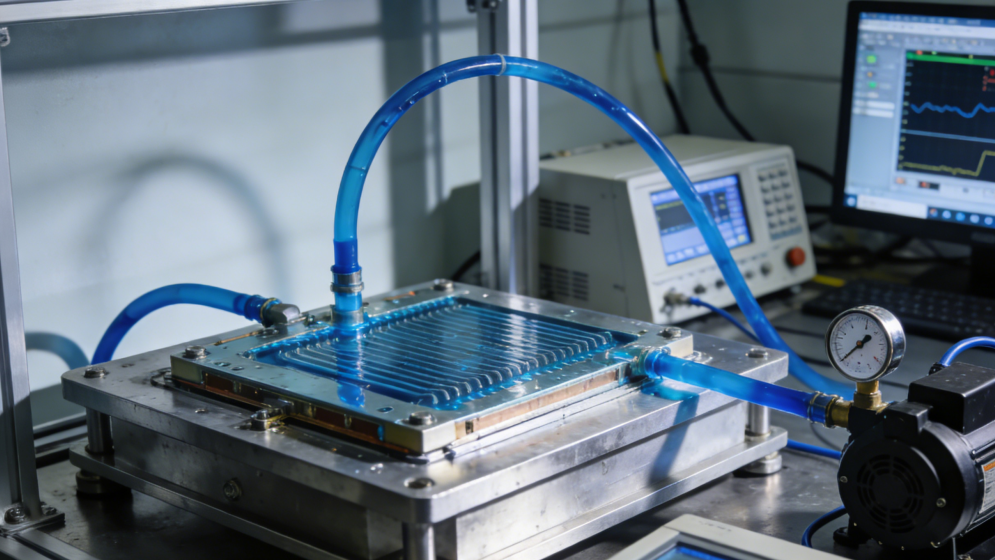
Liquid cold plate testing
As the core heat-dissipation component directly in contact with high-heat-flux density chips such as CPUs/GPUs, the liquid cold plate realizes rapid heat transfer through its internal micro-channel structure. The test items for liquid cooling plates include safety tests (pressure resistance, bursting, leak detection), thermal performance tests (heat transfer efficiency, thermal resistance, temperature uniformity), reliability and durability tests (thermal shock, pressure pulse, vibration shock), and compatibility tests (coolant corrosion, cleanliness analysis) to ensure that they have efficient heat dissipation capacity and structural integrity during long-term operation.
Cooling Distribution Unit (CDU) testing
The cooling distribution unit is the control center of the liquid cooling system, integrating pumps, heat exchangers, temperature control valves, and intelligent sensors. CDU testing covers safety tests (pressure resistance, leakage), static performance tests (heat exchange efficiency, control accuracy, pump group efficiency), dynamic performance tests (load mutation response, flow balance, vibration and noise), and reliability and durability tests (aging test, redundant switching, power-off protection) to ensure that it can achieve precise temperature control and flow adjustment under complex loads and guarantee the efficient and stable operation of the system.
Overall testing of the liquid cooling system
The overall testing of the liquid cooling system focuses on the verification of system-level performance and reliability, covering five dimensions: thermal performance, reliability, safety, energy efficiency, and compatibility. By simulating key indicators such as chip junction temperature, system thermal resistance, thermal cycling, and electrical safety under real-world operating conditions, a comprehensive evaluation is conducted on the heat dissipation limit, operational stability, and long-term reliability of the liquid cooling system in high-power-density scenarios to ensure that the system meets the PUE energy-efficiency target and the requirements for the interoperability among multi-vendor equipment from design to implementation.

Core Advantages

  • Authorized Certification and Strict Quality Control

    The laboratory is ISO/IEC 17025-certified, and its test reports are internationally recognized.

  • Dynamic Customization for Cost Reduction and Efficiency Improvement

    We respond quickly to customer needs and provide efficient, one-stop testing services.

  • Diverse Talent Matrix

    We have a team of experienced testing engineers and technical experts

  • Comprehensive coverage with state-of-the-art equipment

    Equipped with world-class testing equipment to ensure the accuracy and reliability of test results

    Precise and efficient, with rapid testing capabilities; capable of simulating extreme environments; suitable for a wide range of applications

One-stop testing service provider covering the entire lifecycle
Related Recommendations
Enhancing quality through technology, building trust for a better life
Request a Quote
Official quotations, prompt processing, nationwide service, localised allocation
  • * Consultation enquiry
  • * Name
  • * Tel
  • * Company Name
  • * Region
  • * City
Email
marketing@mttlab.com
Business Consultation
Free Consultation
Report Inquiry
Back to Top
Contact Us
  • *Name:
  • *Contact:
  • *Email:
  • *Company/Organization/school:
  • *The location:
  • *Message information: