+86-400-850-4050





Didn't find what you were looking for?
Consult a professional engineer immediately for your service

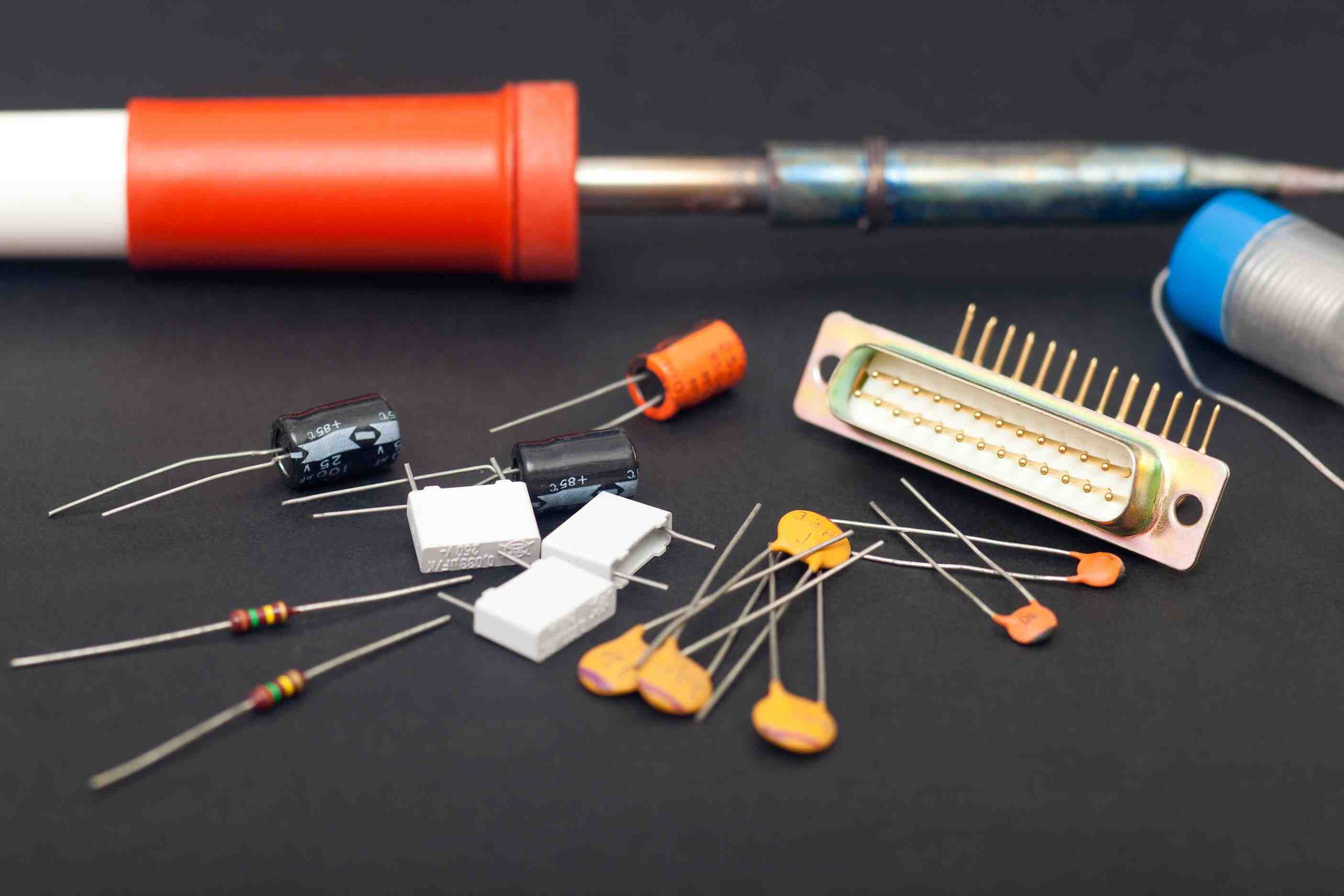


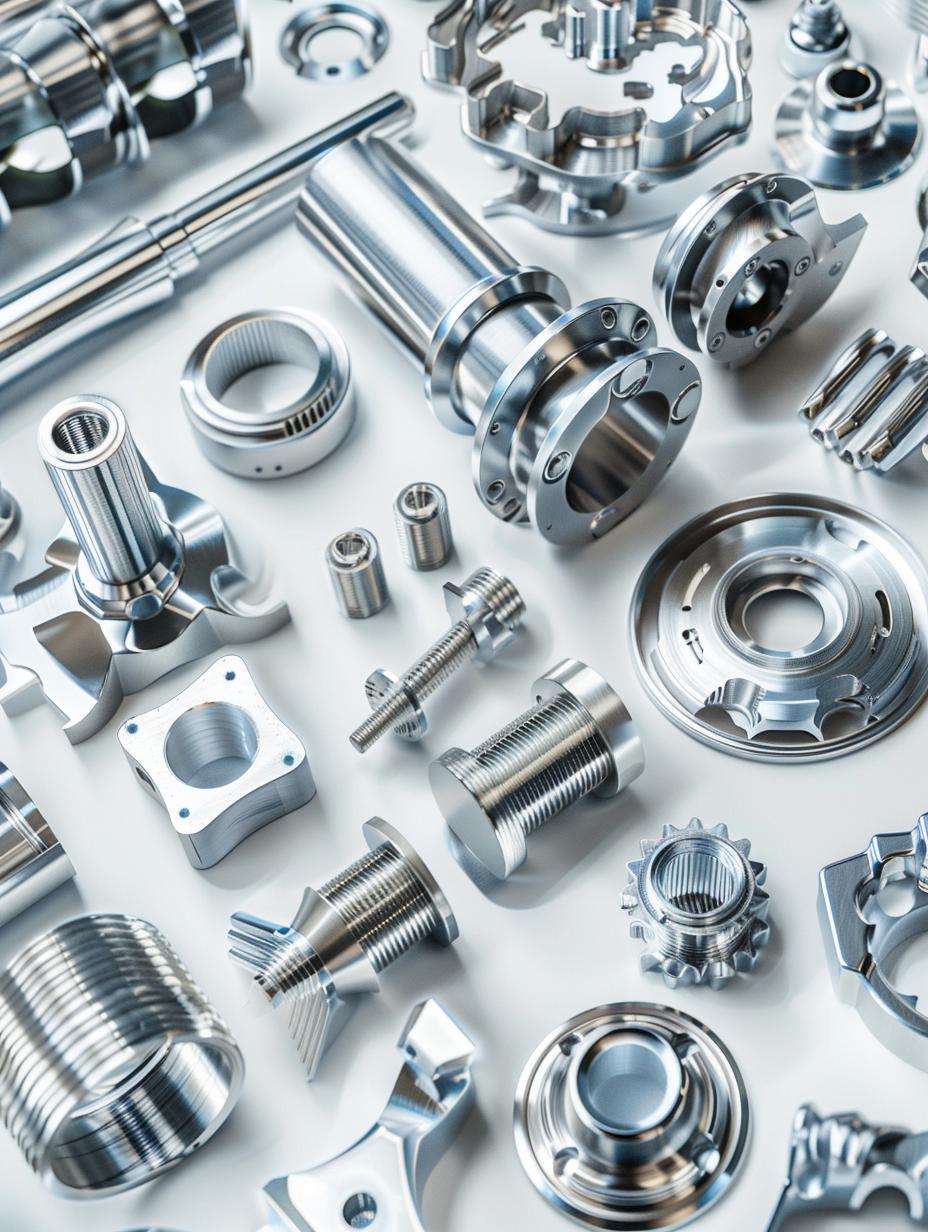



















Plastic is the most widely used, the most widely used polymer materials, but also the most failure type, of which the fracture form is the most common failure mode of plastic. How to quickly determine the fracture mode and locate the starting and forming source is the key to optimizing material design and improving product reliability. This paper combines laboratory analysis experience to analyze the judgment method of fracture mode to help engineers accurately diagnose the root cause of failure.
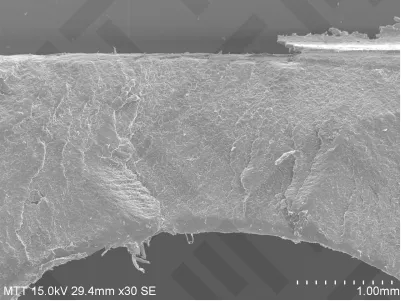
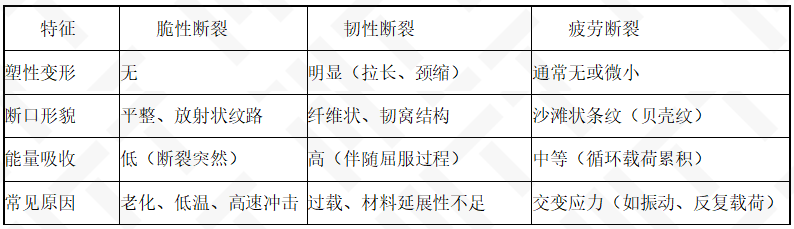
Three Breaking Patterns · Fragile fractures The
brittle fracture resin is not significantly plasticized on the pattern,
that is, the resin has no obvious traces of elongation, as follows: Fragile
fracture is usually not easy to detect before breaking, fracture
absorption energy is small, brittle fracture may be caused by aging,
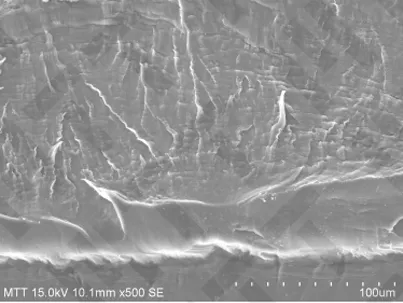
stress residue, speed impact and so on. · Resilience fractures Resilience
fracture is relative to brittle fracture, the resin has been yielding,
plastic deformation, there are obvious traces of elongation, as follows: The
toughness fracture usually absorbs more energy during the fracture
process, which is higher than the material yield stress, and is an
external force overload fracture.
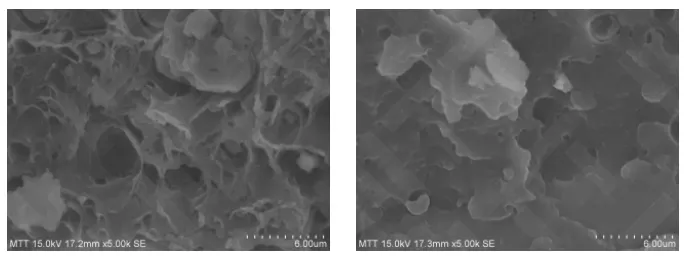
Rigidity Fracture (Left) & Fragile Fracture (Right) Comparison chart
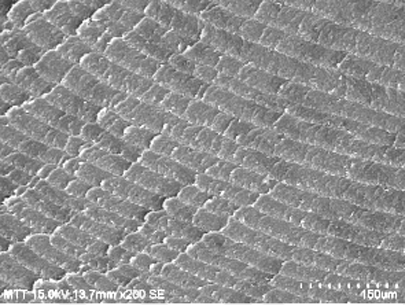
· Fatigue fractures Fatigue
fracture lines are usually parallel to each other, with regular
spacing, and vertical stripes with crack expansion direction, similar to
the beach pattern layer by layer. The following figure: Fatigue fracture is usually the brittle fracture of the material under the action of alternating stress (circulation load).
Fracture pattern comparison table





Maxin Testing Laboratory
Learn more about our company

Electronic Manufacturing Information Hub
See more exciting case studies

Video Channel
Watch more exciting videos









 Buildings A1, A3, and A5, Peking University Science and Innovation Park, Songbai Road, Bao'an District, ShenzhenBuilding 3, Xinyao Valley, 415 Changyang Street, Suzhou Industrial Park, Suzhou City1st Floor, Building 4, No. 39 Anzhi Street, Suzhou Industrial Park, Suzhou City